


Clay Court Tennis: The Ultimate Test of Endurance, Balance, and Movement

If hard courts reward power and grass rewards quick reactions, then clay rewards something else entirely:
The athlete.
There's a reason some of the fittest players in the world thrive on clay. From the red dirt of Roland Garros to the countless clay events across Europe and South America, this surface places unique physical demands on the body that simply don't exist elsewhere.
Longer rallies. Endless changes of direction. Controlled sliding. Relentless point construction.
Clay doesn't just test your tennis - it tests your movement.
How Clay Differs from Other Tennis Surfaces
Every tennis surface creates a different style of play.
- Grass courts favour shorter points and explosive reactions.
- Hard courts sit somewhere in the middle, rewarding both power and movement.
- Clay courts slow the ball down, creating longer rallies and more physical exchanges.
The slower surface means players often need to hit several extra shots per point compared to hard or grass courts.
That might not sound like much, but over a three-hour match, it adds up quickly.
Endurance Becomes a Weapon
Clay court tennis is often described as a marathon rather than a sprint.
Because the ball travels slower through the court, players have more time to retrieve shots and extend rallies. Points that would be winners on hard courts often come back one more time on clay.
This means players need:
- Greater aerobic fitness
- Better recovery between points
- The ability to maintain concentration for longer periods
- Consistent movement quality deep into matches
It's no coincidence that some of the greatest clay-court players in history have also been among the fittest athletes in the sport.
The Hidden Skill: Sliding
One of the defining characteristics of clay court tennis is the ability to slide into shots.
At first glance, sliding looks effortless.
In reality, it's a highly skilled movement that requires:
- Balance
- Coordination
- Lower-body strength
- Proprioception (body awareness)
- Exceptional control during deceleration
Unlike hard courts, where players often stop abruptly before changing direction, clay players learn to absorb force while moving through the shot.
The result is smoother movement, but also greater demands on the body's stabilising muscles.
Why Balance Matters More on Clay
Every slide creates a moment of instability.
The player must maintain posture, control the racquet, and recover quickly for the next ball.
Players with superior balance often move more efficiently on clay, conserve energy better, and recover faster between shots.
That's why balance training is a key part of many professional clay-court preparation blocks.
Agility Isn't Just Speed
Many players think agility means moving faster.
On clay, agility is more about controlling movement.
The best movers can:
- Accelerate quickly
- Decelerate under control
- Slide efficiently
- Recover balance immediately
- React to changing ball trajectories
It's this combination of speed, balance, and body control that separates good clay-court players from great ones.
How to Train for Clay Court Tennis
If you're preparing for a clay-court season, your training should reflect the demands of the surface.
Focus on developing:
Movement Efficiency
Train footwork patterns that improve acceleration, deceleration, and recovery.
Balance & Stability
Single-leg exercises, resisted movement drills, and dynamic balance work help prepare the body for sliding and directional changes.
Endurance
Longer movement intervals and court-based conditioning better replicate clay-court rallies.
Reaction Speed
Clay often requires players to make multiple movement adjustments during a point. Reaction training helps improve first-step efficiency and court awareness.
Build Your Clay-Court Game with XPAND
If you want to prepare like the world's best clay-court players, these XPAND tools can help develop the movement qualities that matter most:
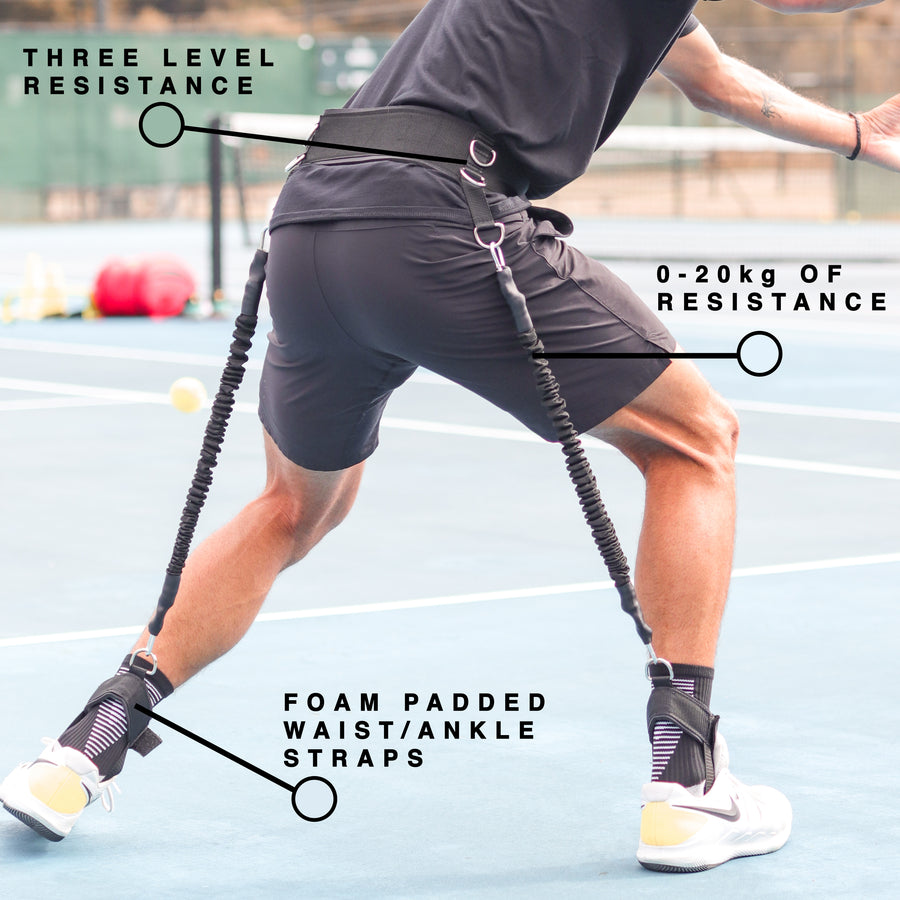
🎾 XPAND Gravity Belt
Add resistance to footwork drills, lateral movement, and acceleration work to develop stronger movement patterns and court coverage.
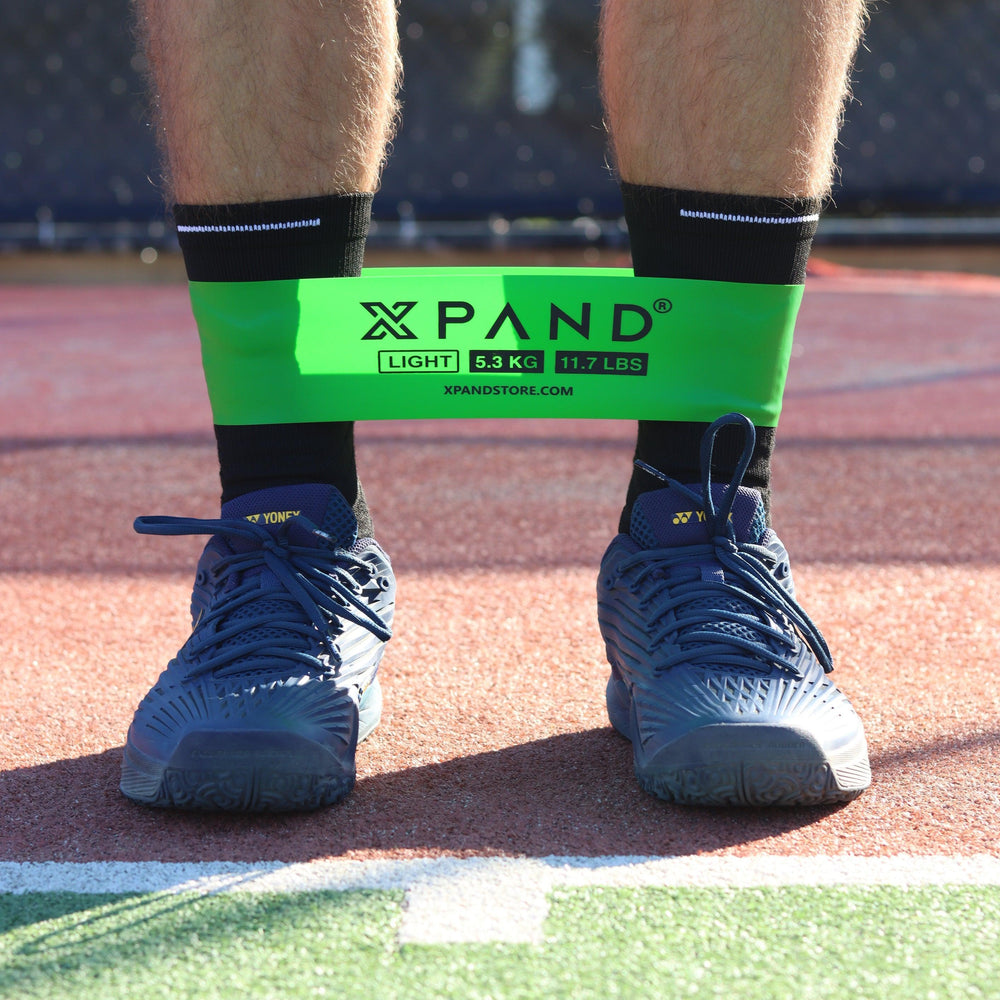
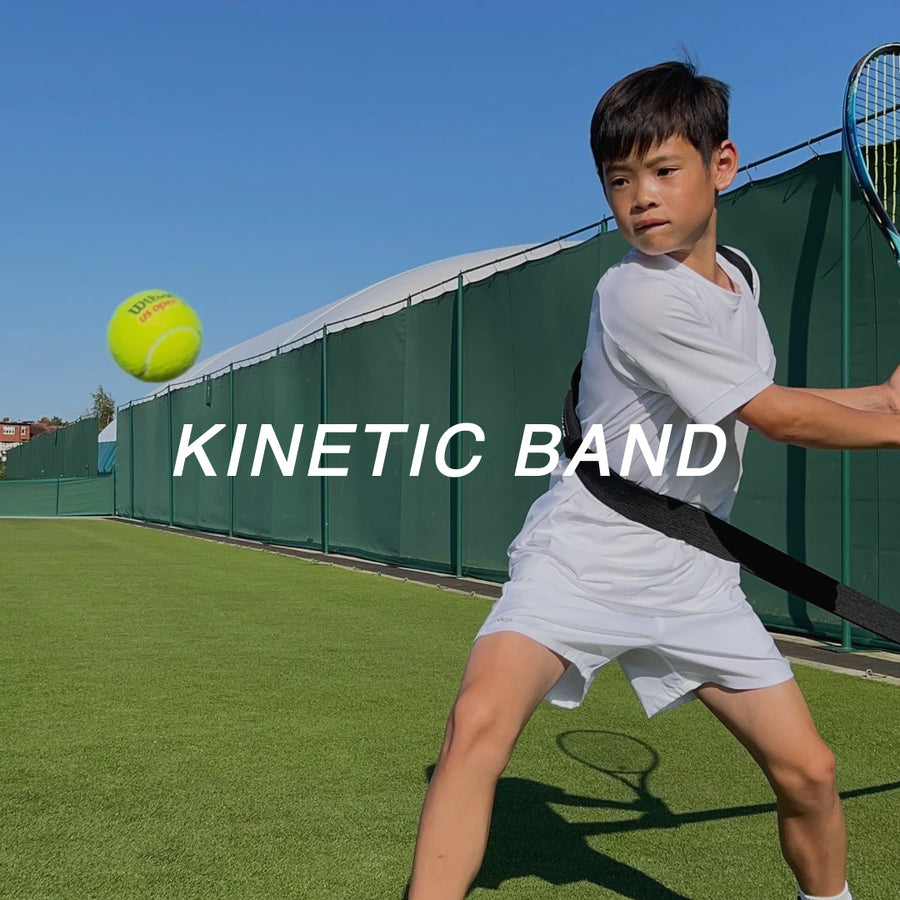
🎾 XPAND Kinetic Band
Improve lower-body activation, movement mechanics, and on-court stability while reinforcing efficient footwork.
🎾 XPAND Agility Ladder
Develop faster feet, coordination, rhythm, and movement efficiency for those demanding clay-court rallies.
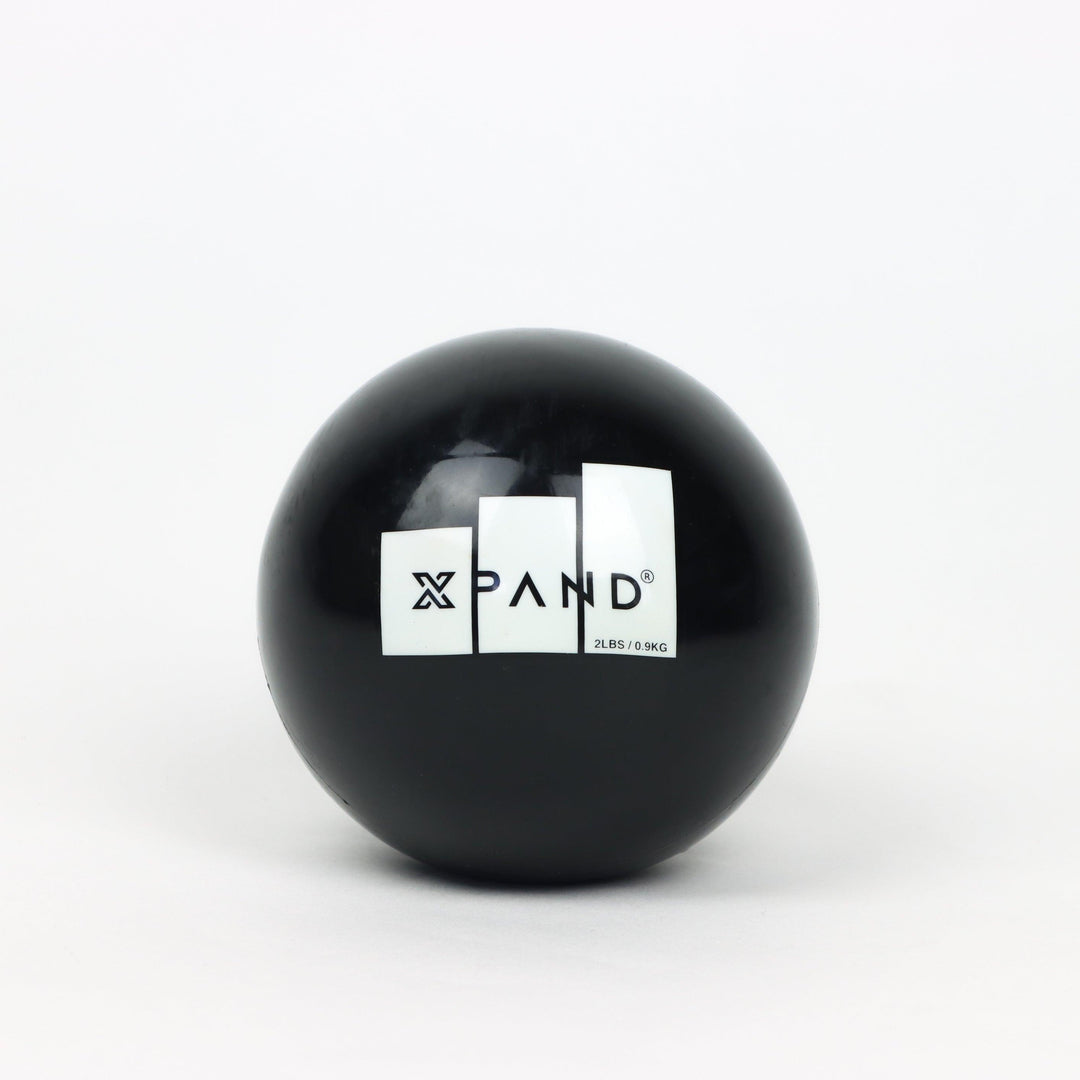
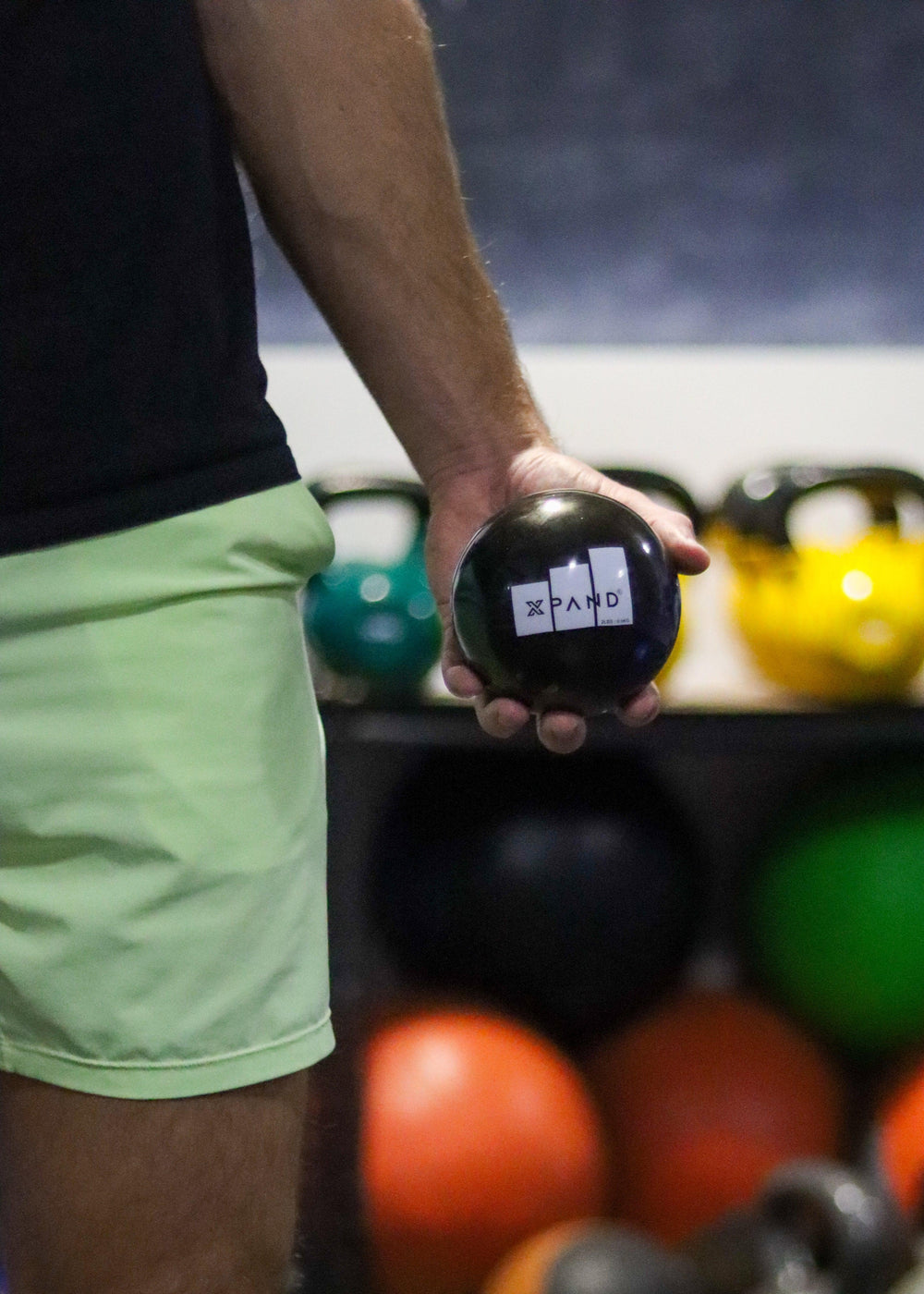
🎾 XPAND Reaction Ball
Train reaction speed, body awareness, and first-step explosiveness—essential skills when points become physical battles.
The Bottom Line
Clay courts expose every weakness.
They challenge your endurance, test your balance, and demand exceptional movement quality from the first point to the last.
That's why success on clay isn't just about hitting better shots - it's about becoming a better athlete.
Train your movement. Improve your balance. Build your endurance.
And when the rallies get longer and the court gets tougher, you'll be ready to slide into the challenge.