


Layering Your Training

Racket Sports Aren't Linear - So Your Training Shouldn’t Be Either
Every rally demands quick reactions, sharp movement and constant adjustment.
You’re not just moving - you’re reacting, recovering, and repositioning all at once.
Yet most players still train these elements in isolation...
What Is “Layered Training”?
Layered training means combining multiple performance elements into a single drill or session.
Instead of training:
- footwork
- reaction
- balance
separately…
You train them together.
Why this matters
Tennis movement is built on three key pillars:
- Acceleration & deceleration
- Change of direction
- Reactive decision making
Top-level agility training combines both pre-planned movement and reactive drills to simulate real match conditions.
Real Match Example 🎾
Watch any high-level rally - for example, baseline exchanges between aggressive players.
One player dictates.
The other adjusts their positioning, reacts to pace and direction, absorbs and redirects energy.
They’re not just moving fast - they’re:
👉 reacting + moving + controlling their body simultaneously
That’s layered performance.
Step 1: Start With Reaction Speed
Reaction is where everything begins.
In racket sports, you rarely move first - you respond.
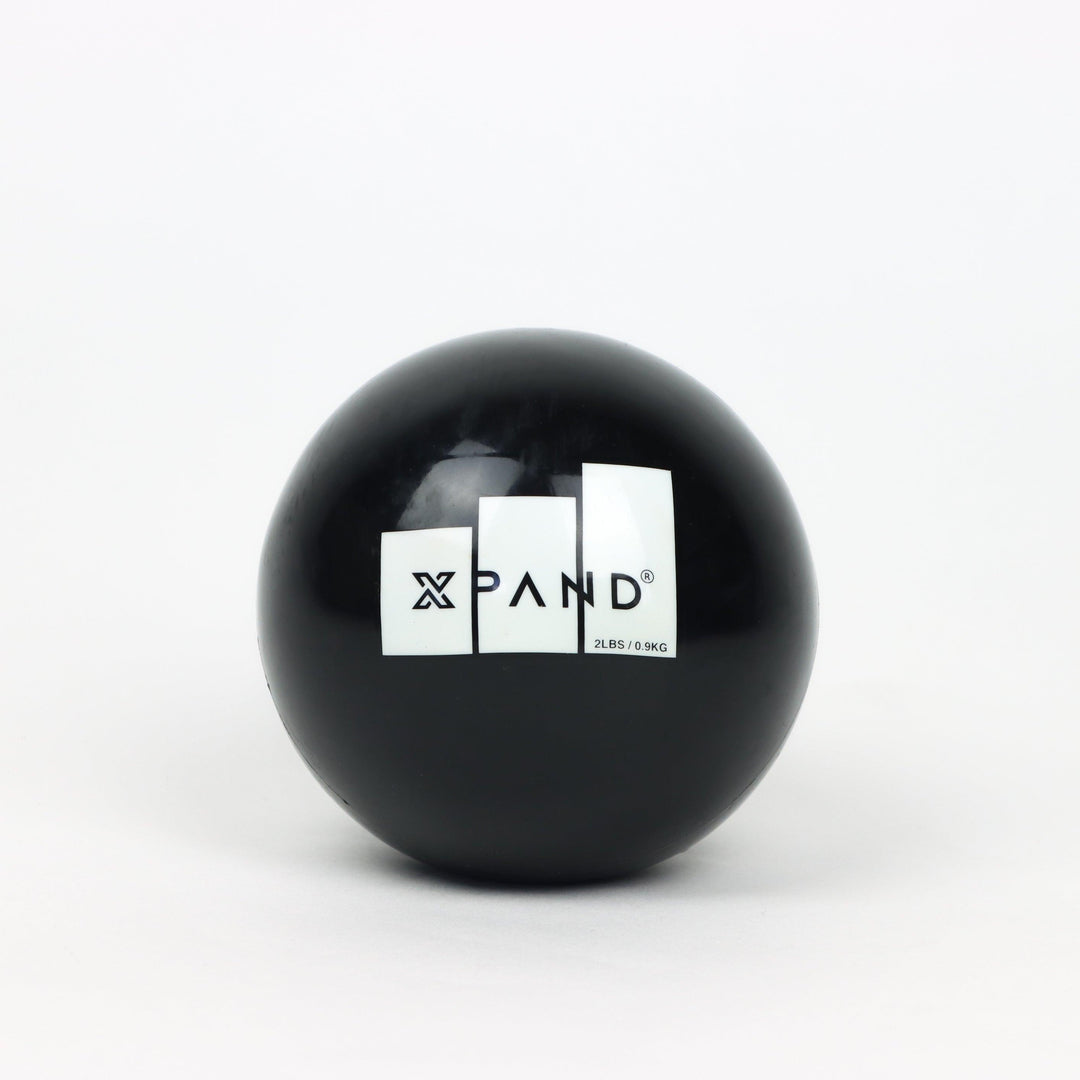
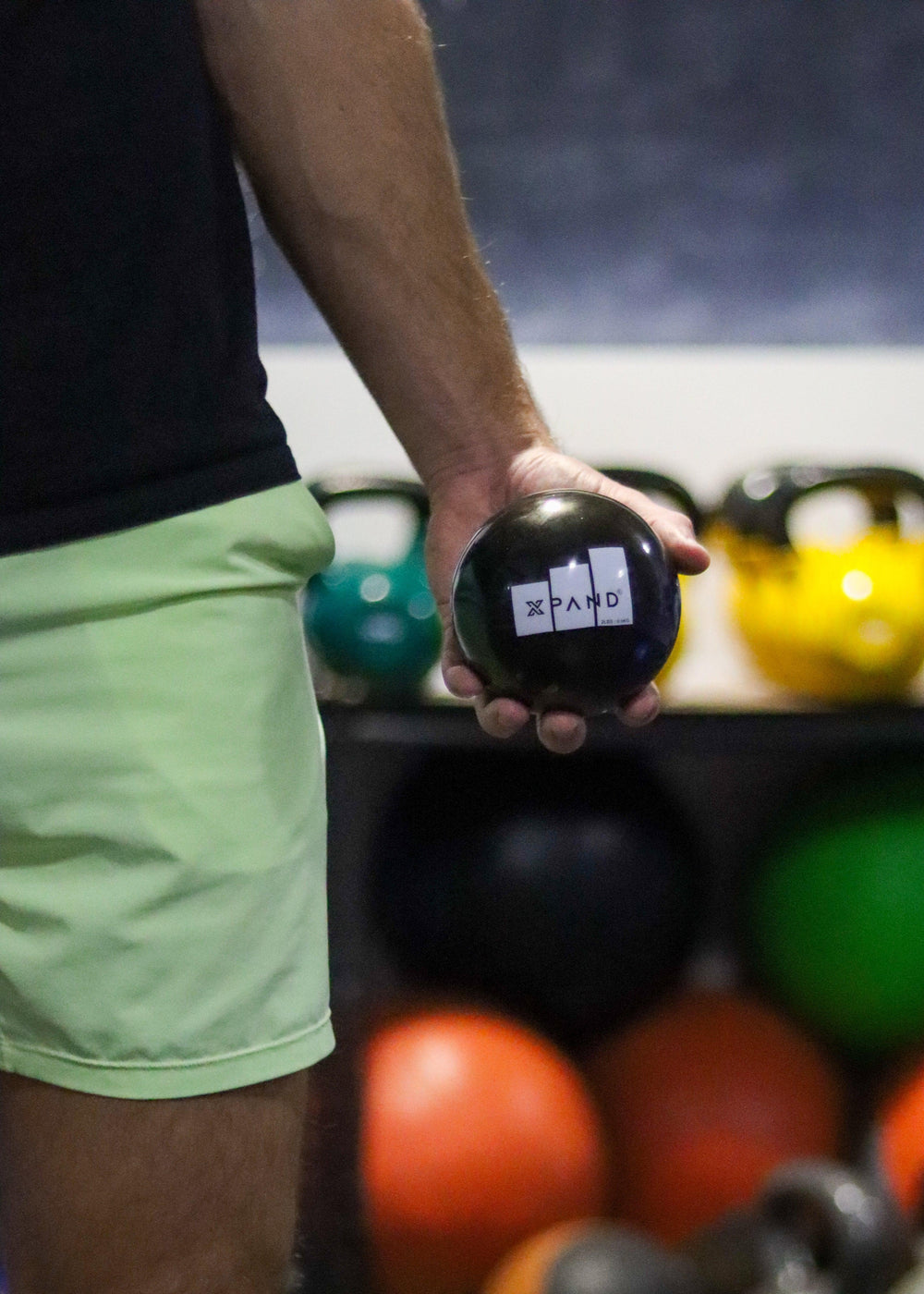
Training tools like a reaction ball introduce:
- unpredictable bounce
- forced split-step timing
- real-time adjustments
Example Drill:
- Drop or throw a reaction ball
- Split step & react to the bounce
- Recover to starting position
👉 Simple, but highly effective
Step 2: Add Movement
Now layer in structured movement.
This is where tools like agility ladders or drills like baseline shuttles come in.
Example Layer:
- Complete ladder drills
- Immediately drop & react to a reaction ball
- Recover and repeat
Now you’re training:
👉 movement + reaction together
Step 3: Add Strength & Control
This is where most players fall short.
They can move fast early in a session, but lose balance, positioning and control as fatigue sets in.
Why? Because they haven’t trained movement under load.
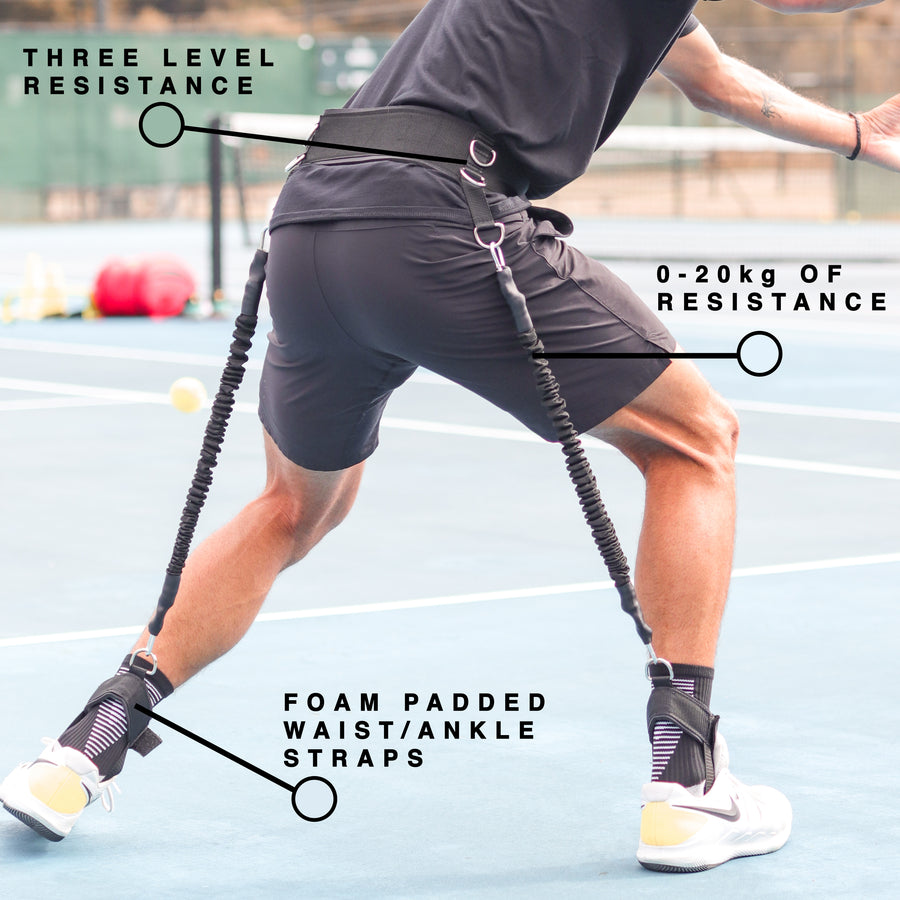
Enter Resistance Training
Tools like the Gravity Belt apply controlled resistance to movement patterns, helping athletes:
- maintain a lower, more stable position
- build strength through movement
- improve balance and control
Now you're training reaction speed, movement, strength, endurance, and control through specific on-court movements.
Go Beyond: Layering Timing, Fatigue & Decision-Making
Layered training doesn’t just mean combining tools - it also means combining different types of pressure within the same drill.
For example, you can layer fatigue by adding short sprint intervals before a rally or drill, forcing your footwork and technique to hold up when your legs are heavy.
You can layer decision-making by having a partner call directions or feed balls randomly, so you’re constantly adjusting instead of repeating patterns.
Even timing pressure can be introduced - shortening rest periods or adding a “must recover to position before the next feed” rule.
These types of layers are what separate basic drills from truly match-relevant training.
Finally... Layering Into Live Ball Striking
The final step is bringing everything into actual hitting.
It’s one thing to move well in drills - it’s another to execute clean shots after movement, under pressure.
That’s the difference between training movement… and training performance.