


The Pickleball Training Equipment Serious Players Are Actually Using

The Pickleball Training Equipment Serious Players Are Actually Using
Most pickleball players hit a wall. They play regularly, they watch the pros, they understand the game tactically. But their movement feels sluggish, their power inconsistent, and their court coverage a step behind where it needs to be. The problem is rarely effort. It is usually preparation.
The right pickleball training equipment does not make you work harder. It makes your practice more specific. Every drill becomes more intentional. Every session builds something transferable to real match situations. That is the difference between players who plateau and players who keep improving well into their competitive years.
Why Generic Fitness Work Falls Short for Pickleball

Pickleball is a sport built on short explosive movements, rapid direction changes, and constant positional adjustments around the kitchen line. Standard gym training builds a general fitness base, but it rarely teaches your body how to move efficiently in the specific patterns the game demands.
The split-step, the drop shot recovery, the wide reach at the non-volley zone, these all require a low, stable athletic base and fast hip engagement. If your training does not address those qualities directly, you will keep playing with the same physical limitations regardless of how many hours you put in on court.
Specificity is everything. The equipment you train with should mirror the physical demands of the game as closely as possible.
Movement Quality Before Speed
A lot of players chase speed in their footwork before they have established the postural foundation that makes quick movement safe and repeatable. This leads to lazy stances, upright positioning, and a base that cannot generate or absorb force efficiently. Over time, it also leads to knee and hip strain that cuts training time short.
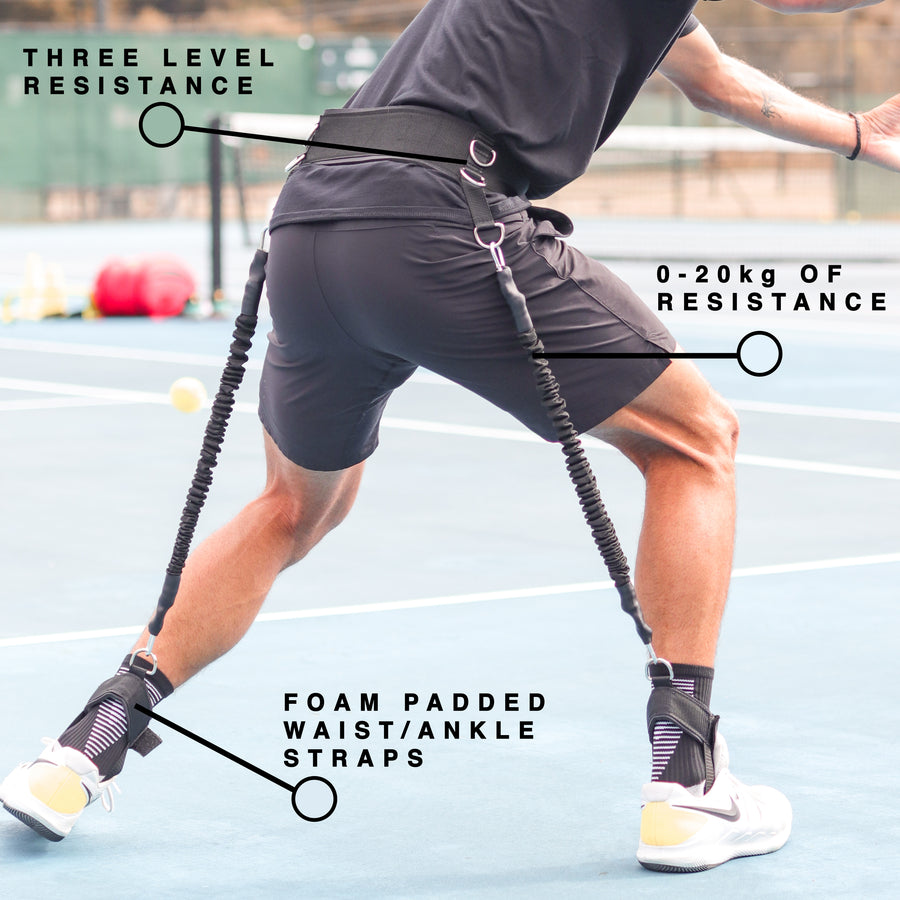
One of the most effective tools for building this foundation is the Gravity Belt 2.0. It uses Reactive Neuromuscular Training to hold you accountable to a low, stable athletic position during movement drills. When your posture breaks, you feel it immediately. Your body learns to self-correct in real time, which is exactly how movement patterns get wired in.
The result is not just better posture in drills. It is better posture under pressure during a match, when fatigue sets in and your mechanics are most likely to break down. That carries directly onto the court in ways that generic squats or lunges simply cannot replicate.
Drills That Build Real Court Intelligence

Equipment only matters when it is paired with purposeful drills. Here are three approaches that serious pickleball players use to build real game intelligence through their training sessions.
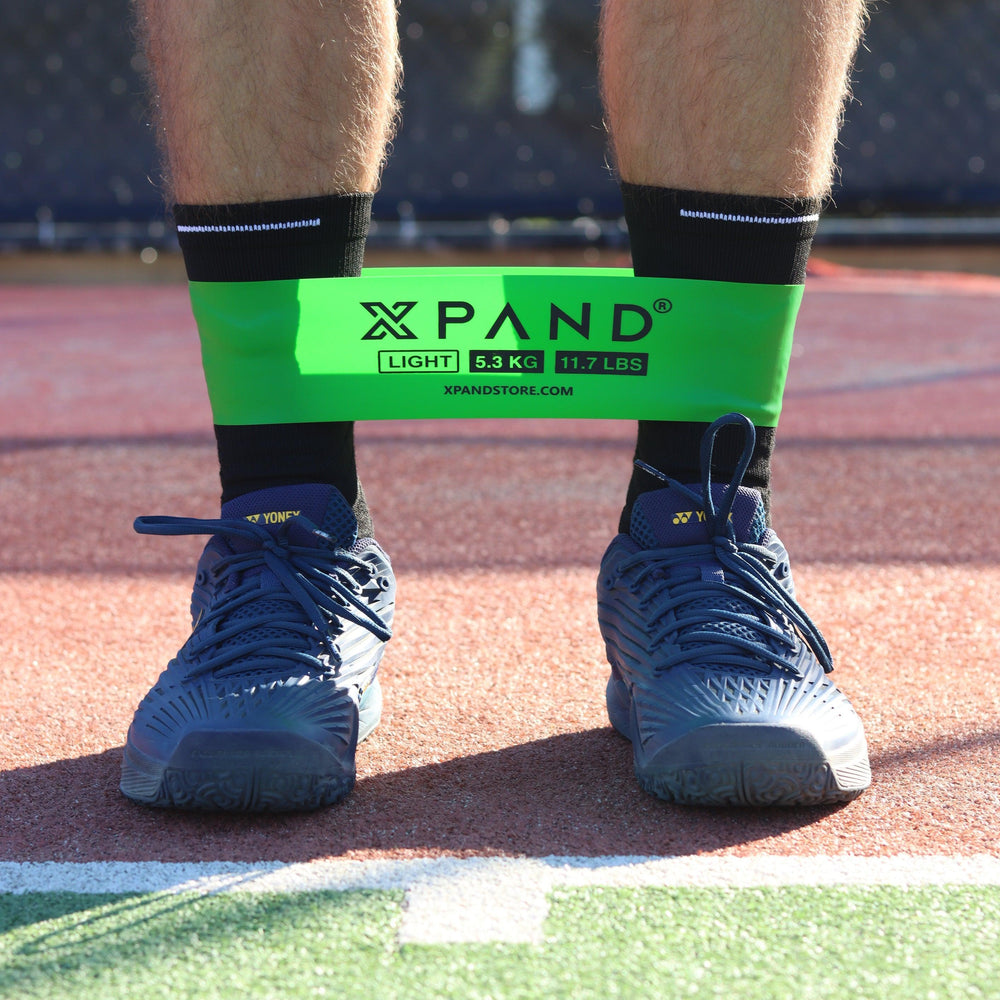
Kitchen line pressure drills. Stand at the non-volley zone and have a partner feed rapid low volleys left and right. The focus is not just reaction speed. It is maintaining a low ready position throughout. If your knees straighten up between shots, you lose a beat on the next ball. Training this with wearable resistance reinforces the position even as fatigue accumulates.
Reset and recover sequences. From mid-court, hit a defensive reset to the kitchen, then immediately recover back to position. Do this continuously for thirty to forty seconds. This builds the movement endurance specific to dink exchanges and third-shot drop rallies, the situations where most club-level players lose points.
Transition zone work. The area between the baseline and the kitchen is where pickleball points are often decided. Practice moving into and out of this zone with purpose. Work on split-steps timed to your opponent's contact point. Keep your base wide and your weight forward. This is where physical preparation and tactical awareness meet.
Building a Training Habit That Compounds
The players who improve fastest are rarely the most talented. They are the most consistent. They show up to practice with a clear purpose, they use tools that give them honest feedback, and they connect what they do off court to what happens on it.
That connection matters more than the volume of training. Thirty focused minutes with the right pickleball training equipment will do more for your game than ninety minutes of mindless drilling. Your nervous system adapts to the patterns you repeat most often. Make sure those patterns are the right ones.
Start with your movement foundation. Address your athletic base. Then layer in speed, power and tactical complexity from a position of physical confidence. That is the order that actually works.
Where to Start
If you are serious about improving your pickleball game, the smartest place to begin is your movement quality. Everything else in your game, your shot selection, your reaction time, your ability to hold a rally under pressure, builds on that physical base.
Invest in training tools that reflect the real demands of the sport. Train with intention. And give your body the specific preparation it needs to perform when the points matter most.