


Reactive Neuromuscular Training: The Missing Layer in Most Racket Sports Fitness Plans

Reactive Neuromuscular Training: The Missing Layer in Most Racket Sports Fitness Plans
Most club-level players train hard. They hit balls, run drills, maybe do some gym work. But there is a gap between physical fitness and what actually happens on court. You can be strong and still arrive late to the ball. You can be flexible and still crumble when your opponent drags you wide. The missing layer is not more strength. It is not more flexibility. It is the ability of your nervous system to organise your body correctly under pressure, automatically, before you even think about it.
That is what reactive neuromuscular training addresses. And once you understand it, you will look at court movement very differently.
What Reactive Neuromuscular Training Actually Means
Reactive neuromuscular training, often shortened to RNT, is a method of training that uses external resistance or perturbation to trigger automatic postural and movement corrections. Instead of consciously telling your body how to move, RNT creates conditions where your nervous system is forced to respond and self-organise in real time.
The principle is straightforward. When your balance is challenged, your proprioceptive system fires up. Proprioception is your body's sense of where it is in space, and it is the foundation of every athletic movement you make on court. When you train with external resistance that pulls or pushes you off your ideal position, your nervous system works to correct that. Over time, those corrections become automatic. Your body learns the right position not as a thought, but as a reflex.
This is fundamentally different from static strength training. You can build powerful legs in the gym without ever teaching them how to stabilise under rotational stress, lateral change of direction, or the specific demands of a split-step. RNT builds that connection between strength and coordination.

Why It Matters So Much for Racket Sports
Tennis, padel and pickleball are reactive sports. You are never moving in a straight line for long. You are changing direction off incomplete information, recovering after contact, splitting and loading under fatigue. Every shot demands that your base is stable before your upper body can deliver any real force.
When your base collapses, everything above it compensates. You reach instead of rotate. You arm the ball instead of driving through it. You mishit more in the third set than the first, not because your technique has changed, but because your body is no longer organising itself correctly under load.
RNT training directly targets that degradation. By repeatedly challenging and correcting your athletic stance, it builds the kind of deep postural stability that holds up when you are tired, stretched wide or under pressure on a big point. This is not a theoretical benefit. It shows up in real matches, in real moments.
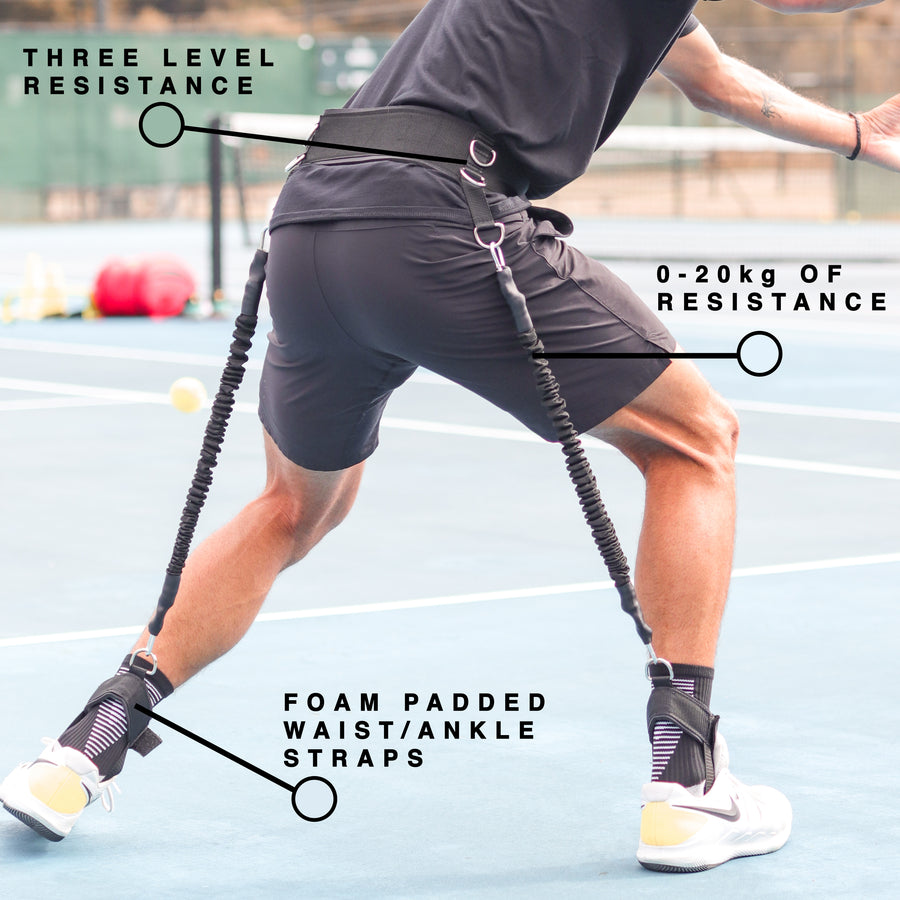
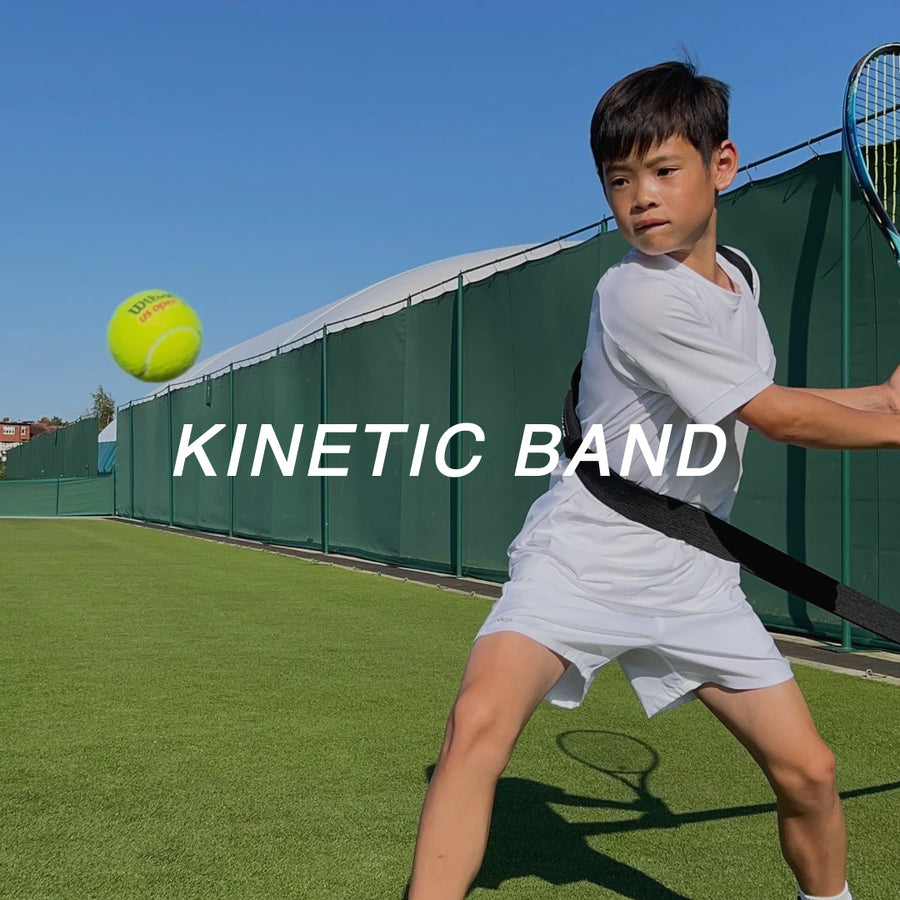
The Gravity Belt 2.0 is built on this exact principle. It applies Reactive Neuromuscular Training through wearable resistance that challenges your base during movement, split-steps and groundstroke patterns. Because the resistance is constant and directional, your nervous system is always working to stabilise. You are not just moving through drills. You are actively rewiring how your body holds itself on court.
How to Integrate RNT Into Your Training
The most important thing to understand about RNT is that it works through accumulation. One session will make you aware of your postural gaps. Twenty sessions will close them. Consistency matters more than intensity here.
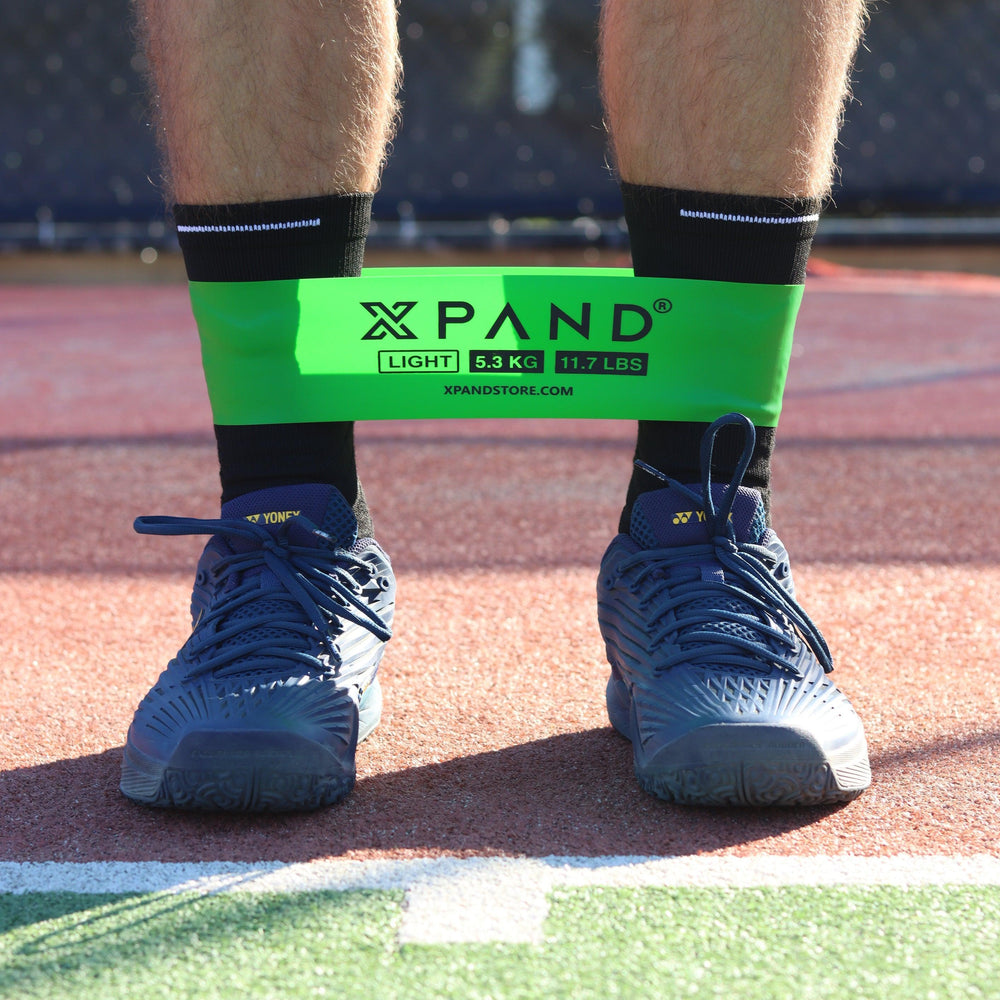
Start by incorporating RNT work into your on-court movement patterns, not your gym sessions. Shadow footwork with resistance, split-step repetitions, lateral shuffles and recovery steps are all ideal. The goal is to expose your nervous system to the demands of real match movement while the resistance teaches it to self-correct.
Keep sessions shorter and focused. Fifteen to twenty minutes of deliberate RNT work during warm-up or technical drilling is enough to generate adaptation. You do not need to fatigue yourself. You need to challenge your neuromuscular system with enough consistency that the corrections become permanent.

The Long Game: What Changes When Your Base Is Trained
Players who commit to reactive neuromuscular training consistently report the same outcomes. They arrive at the ball earlier. They feel more balanced through contact. They recover faster after wide balls. Their movement feels less effortful, not because they are fitter, but because their nervous system is running more efficiently.
That last point is worth sitting with. Efficient movement is not about trying harder. It is about your body doing the right thing automatically. RNT is the training method that makes automatic mean correct.
There is also a durability benefit. A stable base under load means less compensation through the knees, hips and lower back. Players who train their neuromuscular system tend to carry fewer nagging injuries because the load is distributed correctly across the kinetic chain.
If you have been chasing more power, more consistency or simply better court presence without finding the answers in technique work alone, this is likely the layer you have been missing. The nervous system is trainable. Your base is a skill. And once you start treating it that way, everything on court tends to improve alongside it.
If you want to explore how wearable RNT resistance fits into your training, the Gravity Belt 2.0 is a good place to start. It is designed specifically for the movement demands of racket sports and built to be used on court, not just in the gym.