


Junior Tennis Fitness Training: Building the Athletic Foundation That Actually Transfers to the Court

Junior Tennis Fitness Training: Building the Athletic Foundation That Actually Transfers to the Court
Most junior players practice their groundstrokes for hours. They drill their serve. They work on footwork patterns. But when match pressure arrives, their movement breaks down, their shots lose pace, and their body tightens up in exactly the moments that matter most. The problem is rarely technique. It is usually fitness. Specifically, it is the kind of fitness that was never trained to connect with tennis.
Junior tennis fitness training is one of the most misunderstood areas of player development. Done well, it builds athletic qualities that show up immediately on court. Done poorly, it produces players who are strong in the gym but brittle and uncoordinated between the lines.
Why Generic Fitness Programmes Fall Short for Junior Players

Running laps and doing bodyweight circuits will improve general conditioning. But tennis is not a general sport. It demands explosive short-distance acceleration, rapid deceleration, rotational power through the hips and core, and the ability to hold a low, balanced athletic position through hundreds of repetitions in a single match.
When a junior trains fitness in isolation from these demands, the gains rarely transfer. A player might improve their VO2 max but still arrive late to the ball. They might strengthen their legs but still collapse their stance when stretching wide for a forehand. The gap between fitness work and on-court performance exists because most training does not teach the body how to move like a tennis player.
Effective junior tennis fitness training is specific. It trains the movement patterns, force production habits and postural controls that tennis actually requires. And it does this progressively, respecting the fact that young bodies are still developing.
The Athletic Qualities That Matter Most at Junior Level
Before adding load or intensity, juniors need to own the basics. Three qualities underpin almost every performance gain at this stage of development.
A stable, low athletic base. Most junior players stand too upright between shots. They recover to a passive, high stance and then have to re-lower when the next ball comes. This costs fractions of a second that add up over a long match. Training a genuinely low and reactive ready position changes how a player moves across every surface.
Hip mobility and rotational power. Junior players who generate pace primarily from their arm are setting themselves up for slower development and a higher injury risk. Learning to load and unload through the hips produces effortless power, and that habit is easiest to build early.
Reactive footwork. Tennis is not a scripted movement sport. A player has to read, react and redirect continuously. Training this quality separately from technique drills builds the neurological speed that shows up as better court positioning and fewer errors under pressure.
How to Structure Fitness Training Around Tennis Development

The best junior fitness programmes do not separate physical work from tennis movement. They layer them together so the body learns performance habits in context.
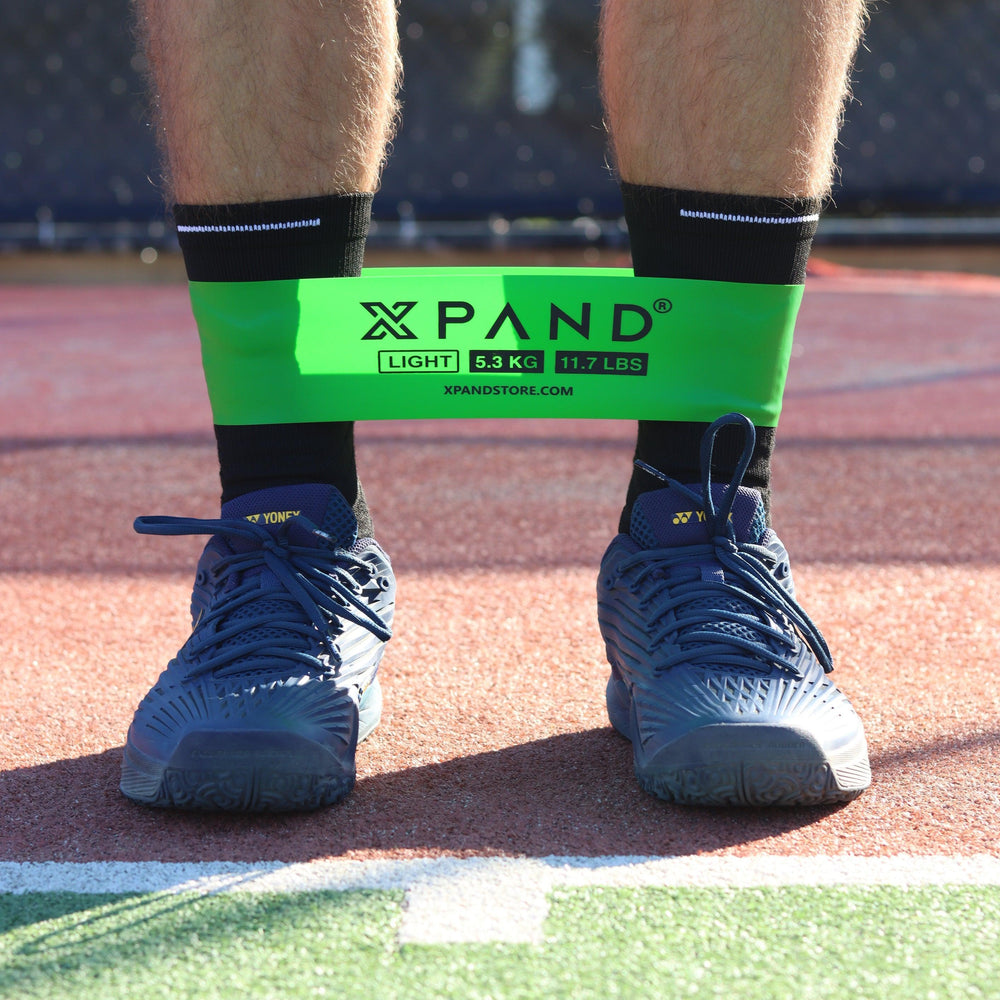
A practical session might begin with a dynamic warm-up that includes split-step timing and lateral shuffle patterns. From there, movement drills with external feedback teach the player what a correct athletic position actually feels like, rather than simply telling them to stay low. This is where tools that provide real-time physical feedback become genuinely useful.
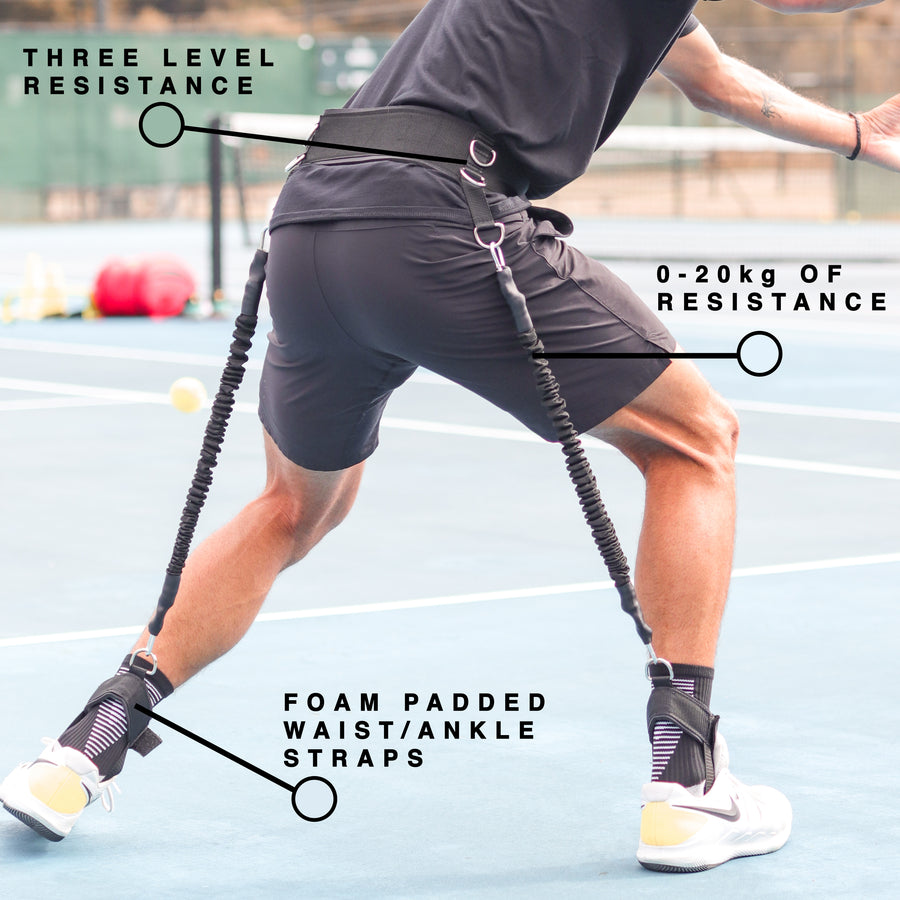
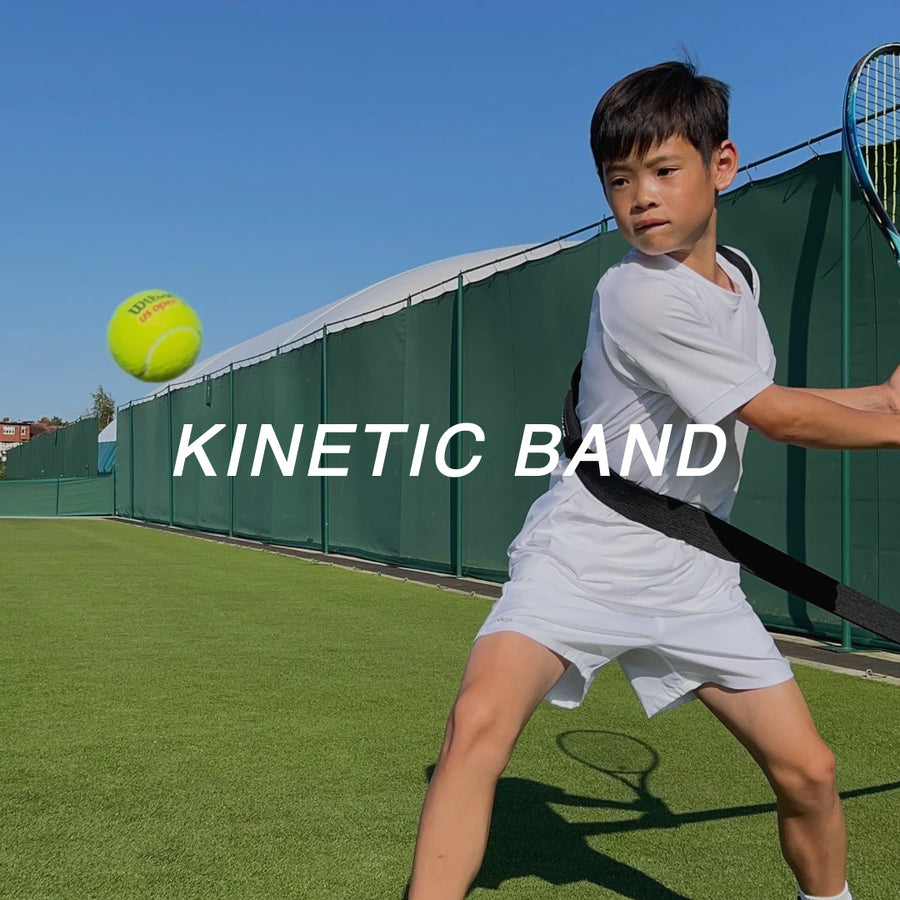
The Gravity Belt 2.0 is built around Reactive Neuromuscular Training principles. When a junior wears it during movement drills, the belt creates resistance that reinforces a low, stable base automatically. The player does not have to think about staying low. The belt teaches their body the correct position through repetition and physical sensation. Coaches working with junior squads report that players who train with it internalise the correct athletic stance far faster than those relying on verbal cues alone.
Conditioning work at junior level should also include change of direction training, controlled deceleration, and lateral power development. These do not require a gym. They can be done court-side with minimal equipment and significant benefit. The key is consistency across weeks and months, not intensity in any single session.
Long-Term Athletic Development Comes Before Winning
This is the part that parents and junior players sometimes resist. Building proper athletic foundations takes time. It might not produce an immediate jump in results. But players who invest in this work at twelve or thirteen are the ones competing at the highest junior levels at sixteen and seventeen, and staying healthy while they do it.
Rushing physical development with too much load, too much court time, or too little recovery produces a predictable pattern: a junior who peaks early, hits a ceiling and starts breaking down physically. Protecting against that outcome means building strength through movement quality first, then progressively adding demands as the body adapts.
Fitness is not the glamorous part of junior tennis development. It rarely gets the attention that technique or match play does. But it is the structure that everything else rests on. Strong movement habits, a stable base, rotational power and reactive footwork are not extras. They are the foundation.
If your junior player is working hard on their game but not seeing the court coverage, consistency or physical resilience they should have, it is worth looking at what their fitness training is actually building. Specific, progressive and tennis-connected training changes outcomes. Start there.