



How to Develop Junior Tennis Players the Right Way, From the Ground Up

How to Develop Junior Tennis Players the Right Way, From the Ground Up
Most junior players hit a ceiling not because they lack talent, but because their foundation was never properly built. They learn shots before they learn to move. They chase points before they understand patterns. By the time they reach competitive age groups, the gaps are already there, and they are difficult to close.
Developing junior tennis players is not about accelerating everything. It is about sequencing the right skills at the right time, so the player who emerges at 16 or 17 has athletic habits that hold up under pressure, not just technique that works in drills.

Athletic Movement Comes Before Shot-Making
Watch a junior player who struggles under match pressure and you will usually see the same thing. Their feet stop working. They hit from static positions. They recover slowly after each shot. The ball does not lie.
The athletic base has to come first. That means teaching juniors how to hold a low, ready stance between shots. It means building the habit of a split-step every single time the opponent makes contact. It means training balance and court coverage as dedicated skills, not things you hope will arrive naturally.
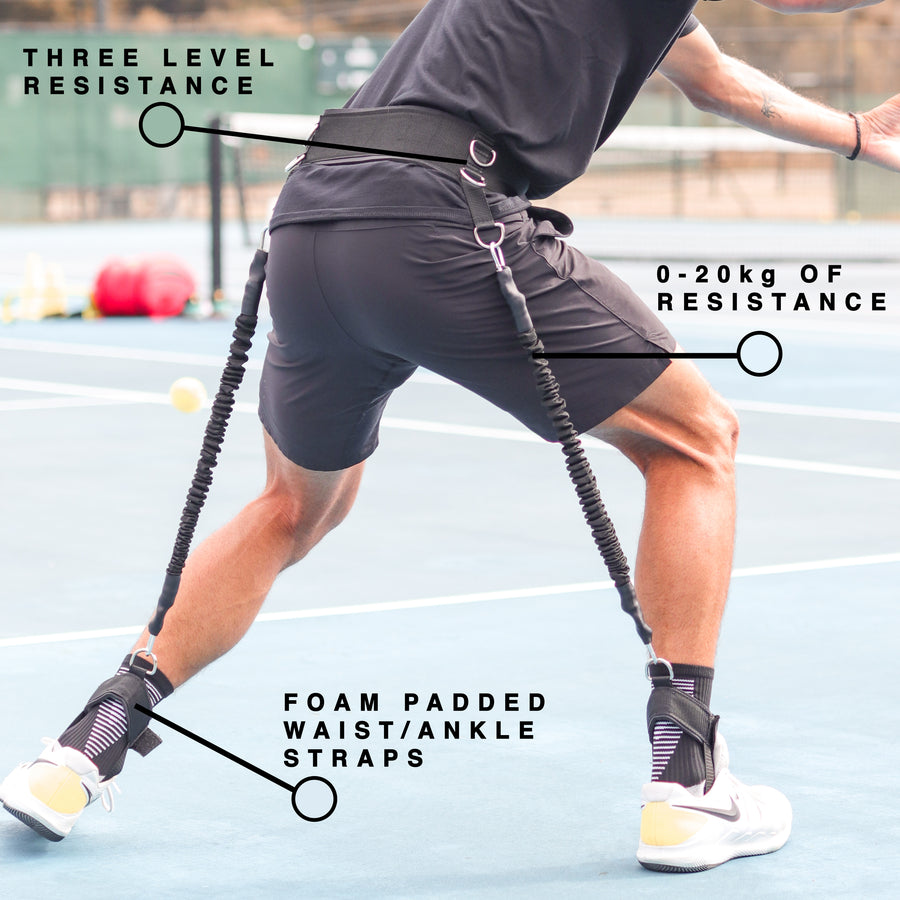
This is where tools like the Gravity Belt 2.0 become genuinely useful in junior development programmes. The belt uses Reactive Neuromuscular Training to reinforce a low athletic base during movement, creating real physical feedback when a player drifts upright or loses their stance. For younger players still building body awareness, that kind of tactile reinforcement accelerates learning far faster than verbal cues alone. The body learns what correct feels like, and it remembers.
Coaches who prioritise movement quality early tend to produce players who can actually execute their technique when it matters. Footwork is not separate from tennis. It is the engine behind every shot.
Build Technique Around Consistency, Not Power
There is a temptation, especially with naturally gifted juniors, to push for pace and aggression early. It feels like progress. It often is not.
Consistency is the skill that separates competitive juniors from those who plateau. A player who can sustain a rally, redirect the ball with control and construct a point has far more room to grow than one who relies on a big forehand and not much else.
Technique work at junior level should be repetitive and deliberate. Short court sessions. Targeted groundstroke patterns. Serve mechanics broken down in stages. The goal is to build motor patterns that do not break under fatigue or nerves. That takes time and it takes repetition that feels slightly boring, which is exactly how you know it is working.
Parents and coaches should resist comparing juniors to peers who are winning matches with aggressive play at under-12 level. The development window is long. The players who are built correctly in the early years are the ones still improving at 18.
Compete Early, But Compete With Purpose

Match play is irreplaceable. You cannot develop a junior player entirely in training. Competition introduces pressure, decision-making and the emotional experience of losing, all of which are essential parts of growth.
The key is how competition is framed. Juniors who are only evaluated on wins and losses quickly develop a fear of mistakes. That fear shrinks their game. They start playing not to lose rather than playing to compete, and you can see it in every tentative shot.
Instead, post-match conversations should focus on process. Did they hold their stance between shots? Did they stick with the game plan? Did they recover well after losing a set? Results matter eventually. At junior level, habits matter more.
A useful structure is to assign one or two specific performance targets per match, completely separate from the scoreline. This teaches juniors to self-assess, builds mental resilience and keeps their focus on the things they can actually control.
Recovery and Physical Longevity Are Part of the Programme
Junior development conversations rarely include recovery, which is a mistake. Young players who train consistently without adequate recovery accumulate fatigue, pick up overuse injuries and often burn out before they reach their peak years.
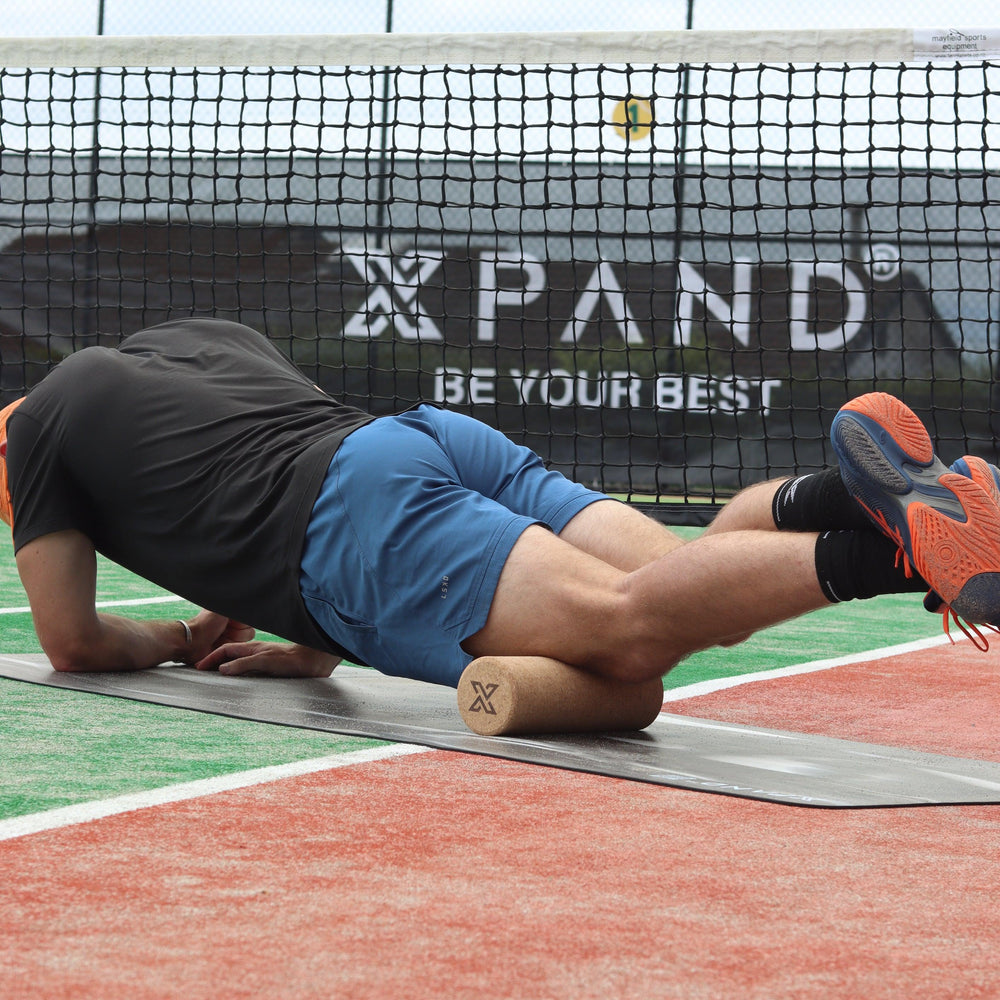
Physical care should be introduced early as a normal part of the routine. Sleep, hydration, nutrition and active recovery all need to be treated as training disciplines, not optional extras. Coaches and parents who model this approach give juniors habits that will serve them for the entirety of their playing careers.
Loading should be managed carefully, particularly for players going through growth spurts. This is when the risk of injury is highest and when the temptation to push hard in competition is also at its peak. Erring on the side of caution during these windows is almost always the right call.
The Long Game Always Wins
The players who go furthest in tennis are rarely the ones who peaked at under-14. They are the ones who were developed with patience, given an honest athletic foundation, taught to compete with purpose and treated as long-term projects rather than short-term results.
If you are a coach or a parent invested in a junior player's development, the most valuable thing you can do is zoom out. Ask not whether they are winning this season, but whether the habits they are building now will still serve them in five years.
That is what real development looks like. It is slower, more deliberate and far more rewarding when it comes together.
Explore the tools XPAND has developed specifically for athletic training and performance development at xpandstore.com.