


Build Your Base: Why Relaxed, Playful Fundamentals Win Matches

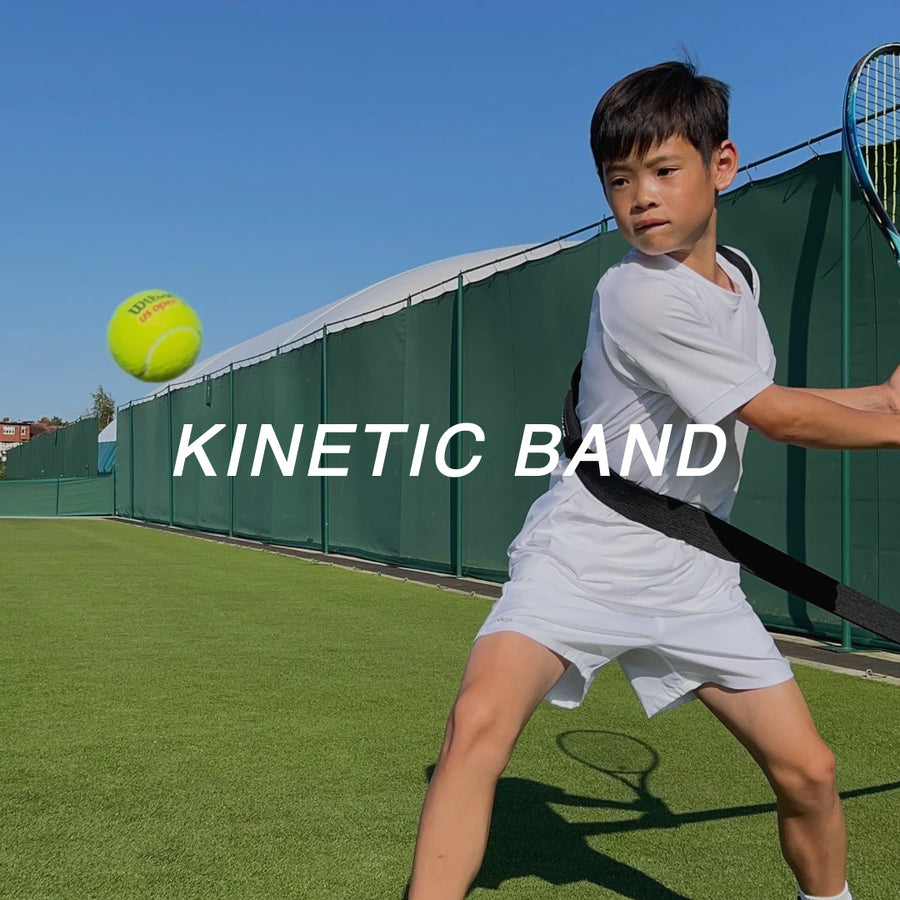
Watch a nervous player and a relaxed one hit the same forehand. The shots could not look more different. The tense player muscles the ball, shoulders high, grip white knuckled, feet stuck. The relaxed player flows into it, light on the toes, effortless through contact. Same stroke, two completely different outcomes. The difference is rarely talent. It is almost always the base.
Most club players chase power and spin before they have built the thing that makes power and spin repeatable. A calm, balanced, athletic base. When you learn to play from a relaxed and playful foundation, the fundamentals stop feeling like a checklist and start feeling like second nature.
Tension Is the Silent Killer of Good Technique
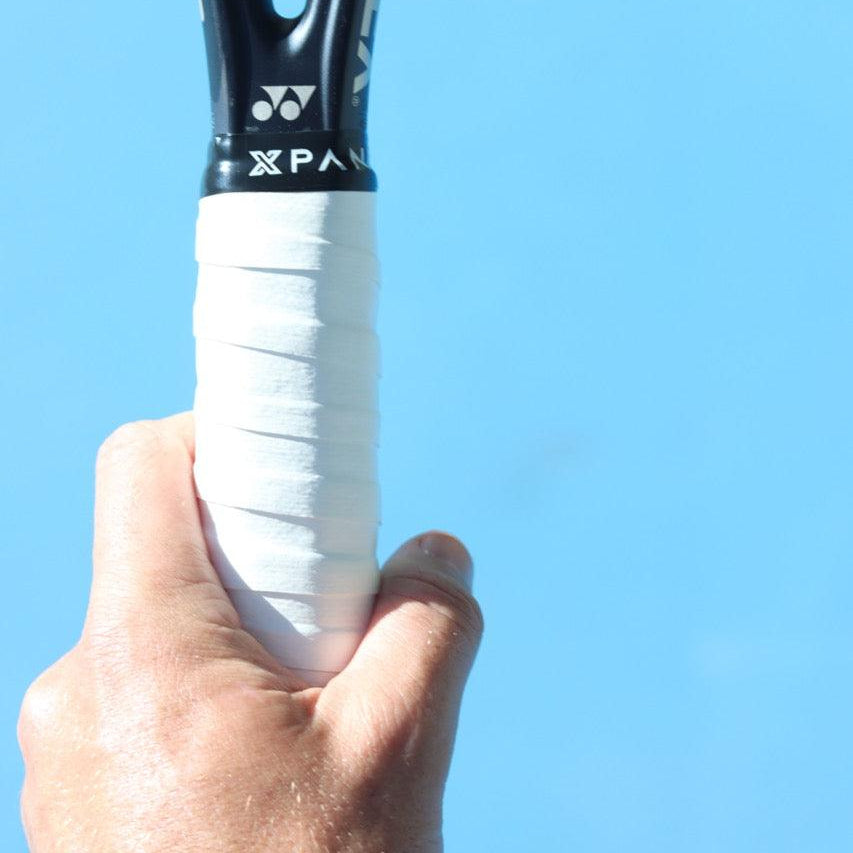
Tightness feels like effort, so we assume it helps. It does the opposite. A clenched grip slows your hand. Locked knees kill your first step. Held breath stiffens the whole chain from ankle to racket tip. The harder you try to force a clean shot, the further you get from one.
Relaxation is not laziness. It is readiness. A loose, springy body reacts faster and recovers quicker. Think of the best movers you have watched. They look like they have all the time in the world, because their base lets them move early and settle before the ball arrives.

Playfulness Builds Better Athletes Than Pressure
Children learn movement astonishingly fast because they play. They experiment, they fall, they laugh, they try again without judgement. Somewhere along the way we trade that curiosity for tension and self criticism, and our learning slows to a crawl.
Bringing play back into your practice is not soft. It is strategic. When you loosen the grip on the outcome, you free your body to explore better patterns. Footwork games, target challenges, and rallies where the only goal is rhythm will teach your base more than another hour of grinding drills ever could.
Train the Base, Not Just the Stroke
Here is the trap. You can groove a beautiful swing on a ball machine and still fall apart in a match, because your base was never tested under movement. Real points demand that you arrive balanced, load, and fire, then recover, over and over. That is a physical skill, and it can be trained directly.
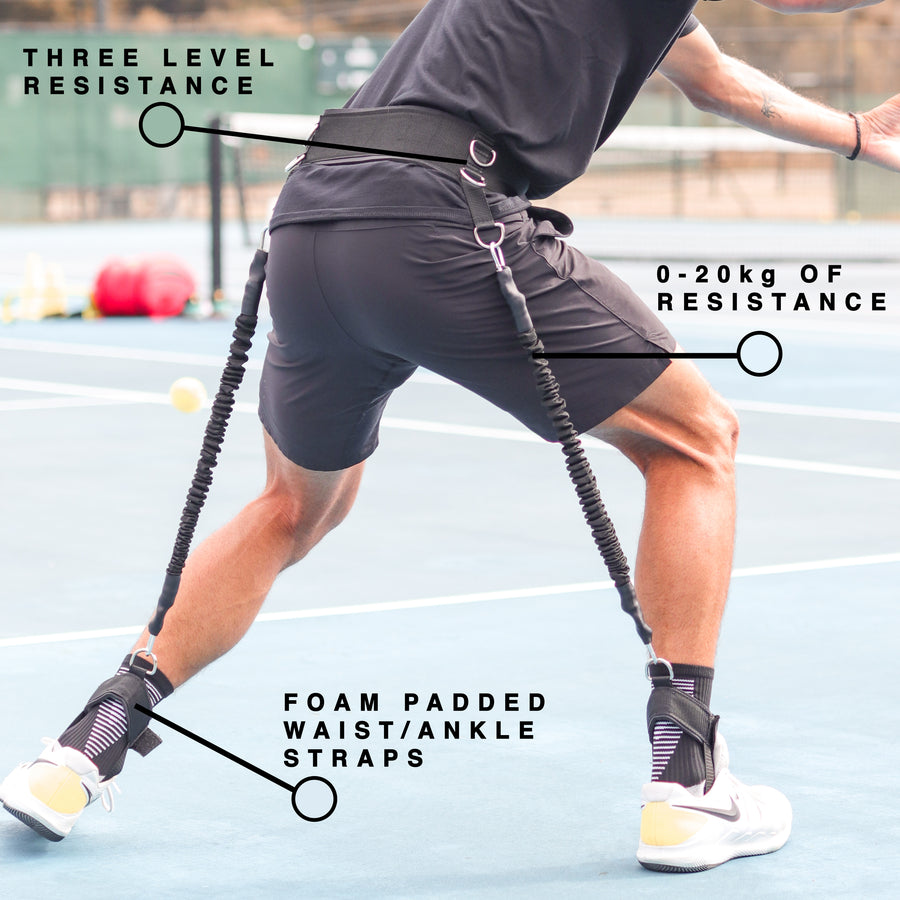
This is exactly why we built the Gravity Belt 2.0. It uses Reactive Neuromuscular Training to reinforce a low, stable, athletic position while you move. The variable resistance gives your body honest feedback the moment you drift too tall or lose your center, so a strong base becomes the pattern your nervous system defaults to. You are not thinking about posture anymore. You just have it.

How to Practice Relaxed Fundamentals This Week
Start every session with two minutes of easy, playful movement before you hit a single ball. Bounce, shuffle, breathe. Let your shoulders drop. During rallies, give yourself one job only: stay light and stay balanced. Ignore where the ball lands for a while. You will be surprised how much cleaner your contact becomes when you stop forcing it.
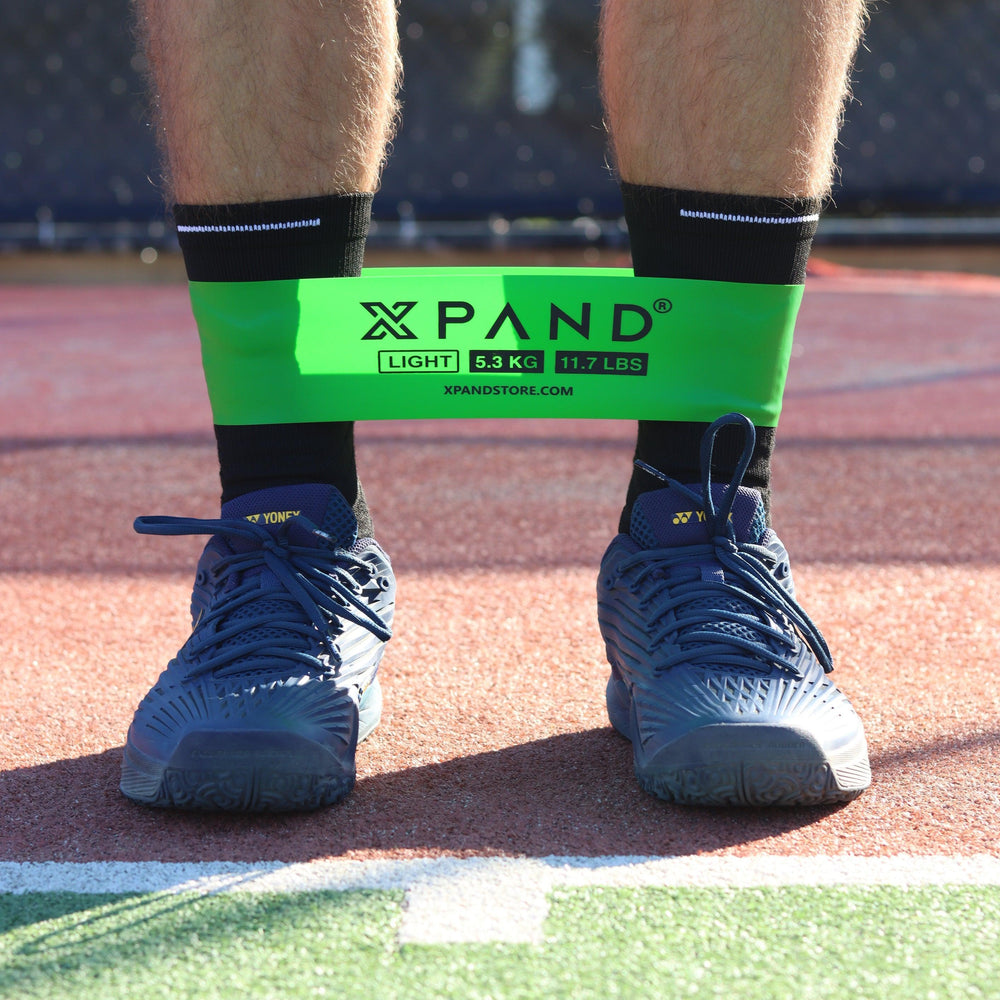
Then add resistance to lock the pattern in. A few minutes moving in the Gravity Belt teaches your body what a genuine athletic base feels like, so that relaxed, ready position holds up when the match speeds up and the pressure climbs.
Fundamentals are not the boring part of the game you rush through to get to the good stuff. They are the good stuff. Build a base that is calm, balanced, and playful, and every shot you own gets more reliable, and every shot you are still learning comes faster.
Build Your Base With Us
Join the XPAND community for training tips, fundamentals breakdowns, and early access to new tools that help you play lighter, move better, and earn your edge.