


Padel vs Tennis Fitness: What Your Body Actually Needs for Each Sport

Padel vs Tennis Fitness: What Your Body Actually Needs for Each Sport
You play tennis on weekends and you've just picked up padel. Or maybe it's the other way around. Either way, you've probably noticed something: the two sports feel completely different on your body. Your legs are more tired after padel. Your shoulders take more punishment in tennis. Your footwork demands shift. And if you're training for both, or switching between them, you need to understand why.
This isn't about which sport is harder. It's about understanding the specific physical demands of each so you can train smarter, perform better, and stay on court longer.
The Movement Patterns Are Fundamentally Different

Tennis asks you to cover a lot of ground. Points are won and lost on your ability to sprint, recover, and hold your position through long rallies. The court is bigger, the gaps are wider, and first-step explosiveness matters enormously. Most of your movement is linear, with sharp directional changes. A big part of your fitness work needs to support that: hip flexor strength, glute activation, and the ability to decelerate cleanly after a sprint.
Padel is a different kind of physical problem. The enclosed court is smaller, which sounds like it should make things easier. It doesn't. The walls mean the ball stays in play longer, rallies are more continuous, and you're constantly adjusting your position in tight spaces. The movement is shorter and more lateral. You're changing direction every few seconds, often from very low positions. Your hips, knees and ankles are under sustained load throughout every point.
In padel, the athletic base you hold between shots is almost as important as the shots themselves. Players who stay upright, or who sink into passive stances, get caught out repeatedly. The sport rewards players who stay low, stay ready, and move efficiently without wasting energy on unnecessary adjustments.
Where Power Comes From in Each Sport
In tennis, power generation is dominated by the kinetic chain. A good groundstroke or serve starts from the ground up: leg drive, hip rotation, trunk rotation, shoulder and arm. Players who generate power primarily from their arm and shoulder get injured more often and produce less consistent pace. The hips are the engine.
In padel, the power picture is more nuanced. Shots like the bandeja, vibora and smash still require rotational force. But the compact court means power is often secondary to placement and control. That said, hip mobility and torsional strength still matter. A restricted hip turn limits your ability to redirect the ball off the walls accurately, and it forces your shoulder to compensate, which creates injury risk over time.
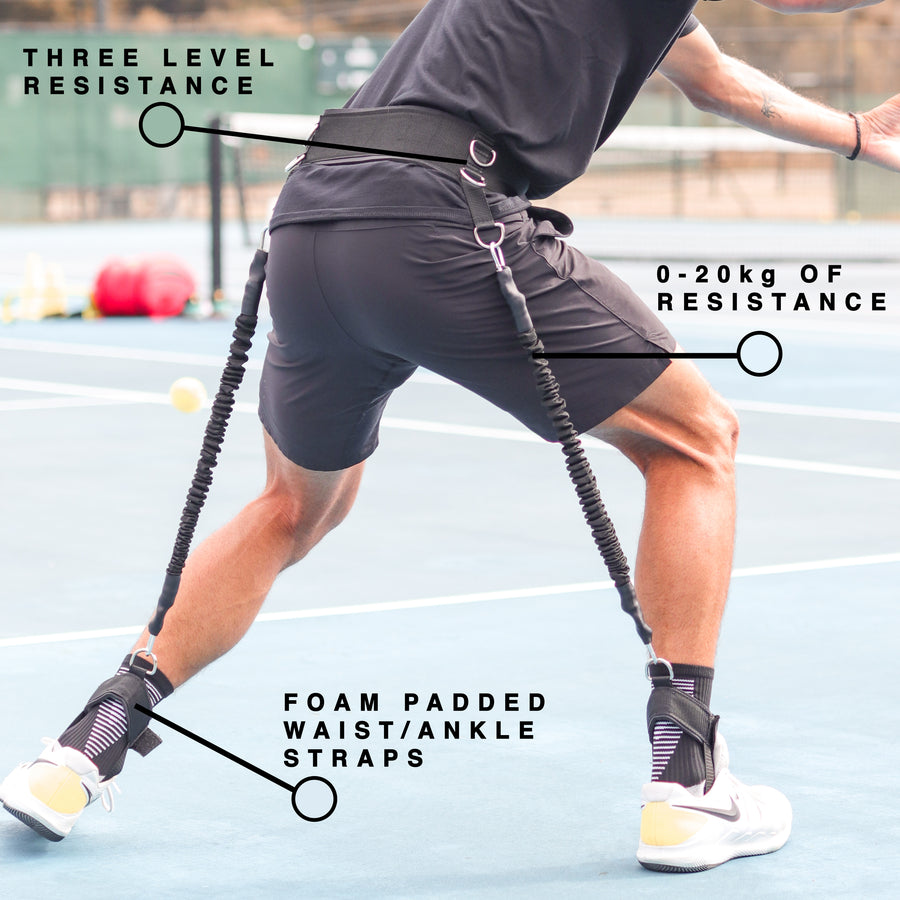
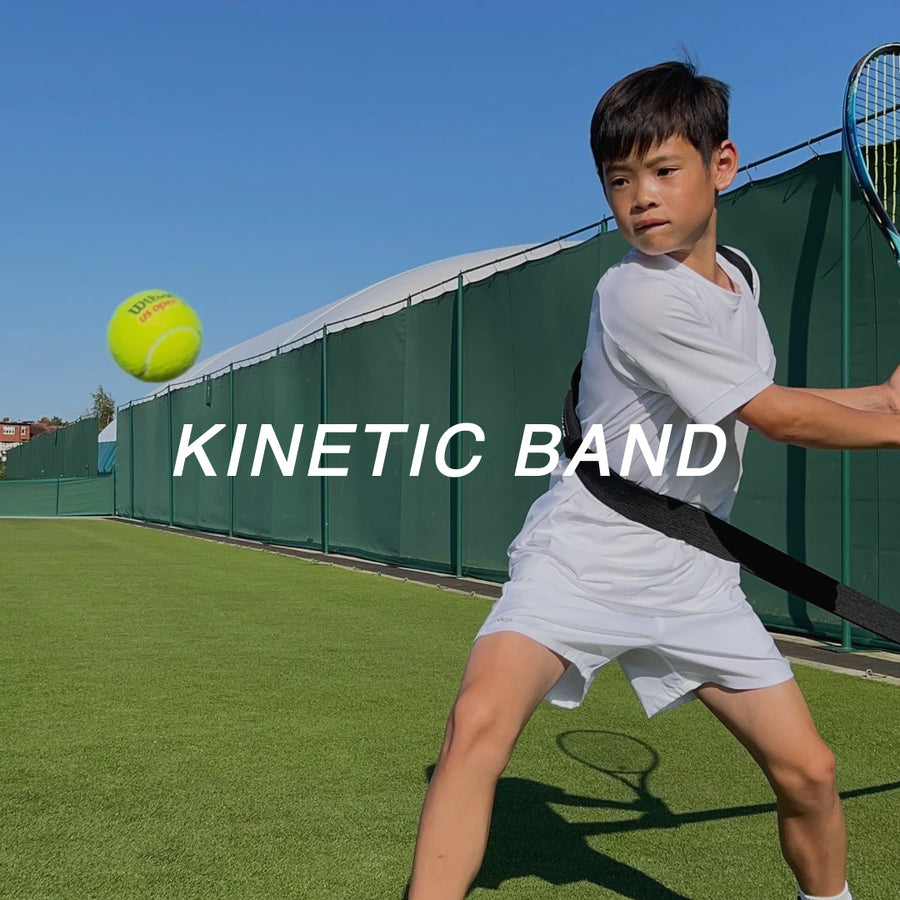
For padel players who want to train rotational force and build that hip drive into their muscle memory, the Kinetic Band is one of the most direct tools available. It creates resistance through the rotational movement itself, which teaches your body to load and release through the hips rather than muscling the shot with your upper body. That shift in mechanics translates directly to cleaner, more consistent shot-making from tight positions near the walls.
The Fitness Demands That Often Get Overlooked in Padel

Most players coming into padel from tennis underestimate two things: the cardiovascular demand and the postural load.
Because rallies in padel are so continuous, the aerobic base required is significant. You don't get the same recovery time between points that tennis offers. Match play in padel is relentless. If your conditioning isn't there, you'll notice it in the third set, when your footwork slows and your decision-making suffers under fatigue.
The postural load is the one that catches people completely off guard. Padel demands a persistent athletic stance. You're crouching, loading, redirecting, and staying low through the duration of long rallies. This places sustained stress on the lower back, glutes and hip stabilisers in a way that tennis simply doesn't replicate. Players who haven't trained their body to hold that low, stable base will either fatigue quickly or gradually drift upright, which opens up their game to exploitation.
This is where strength and conditioning work for padel diverges meaningfully from tennis training. The focus needs to shift toward positional strength, lateral stability and the ability to hold a low base under sustained pressure.
Training the Right Things for the Right Sport
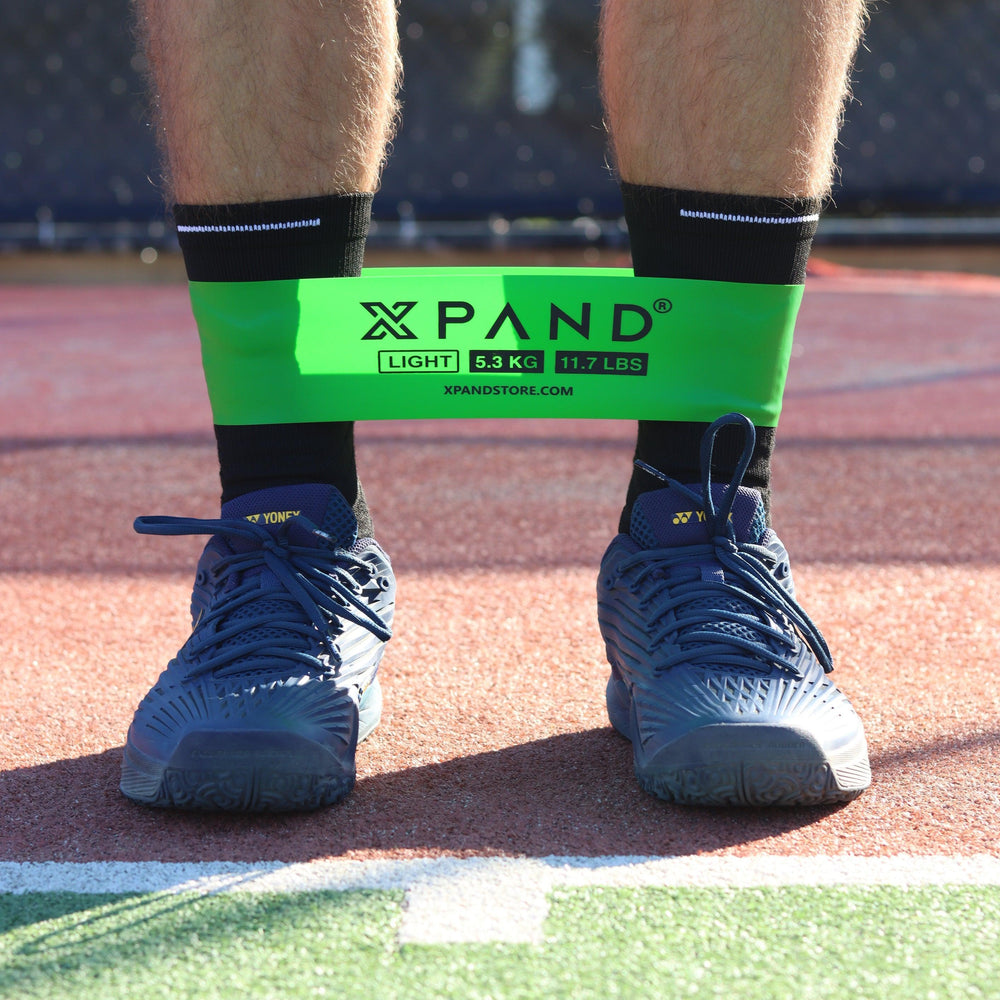
If you're serious about padel performance, your off-court training needs to reflect the demands of the sport. That means building hip stability, improving lateral movement quality, and developing the postural endurance to stay low for the full duration of a match.
It also means being honest about the gaps between what you currently do and what the sport actually requires. Runners have good aerobic fitness but often lack the lateral hip stability padel demands. Tennis players may have strong kinetic chains but need to adapt to the shorter, more reactive movement patterns of the enclosed court.
Neither sport prepares you perfectly for the other. But understanding the differences gives you a clear map for where to direct your training attention.
Train With Intention, Perform With Confidence
The players who improve fastest in padel are rarely the most talented. They're the ones who understand the specific physical demands of the sport and train to meet them directly. Low athletic base. Hip mobility. Rotational strength. Lateral stability. Aerobic endurance for continuous rally play.
Start with an honest assessment of your current fitness profile. Identify where your body is underprepared for the padel-specific demands. Then build a training routine that closes those gaps with purpose. Your performance on court will follow.