


How to Recover Faster Between Tennis Matches and Come Back Stronger

How to Recover Faster Between Tennis Matches and Come Back Stronger
You finish a tough three-set match. Your legs are heavy, your shoulder is tight, and you have another match in less than 24 hours. This is the reality of tournament tennis. Whether you're competing in a weekend club event or a regional open, the players who perform best on day two are rarely the ones who played the best tennis on day one. They're the ones who recovered smartest.
Most players treat recovery as passive. They sit down, drink some water, maybe stretch for five minutes, and call it done. That approach leaves a lot on the table. Real recovery is active, deliberate, and starts the moment the match ends.
The First 30 Minutes Are the Most Important

The post-match window is where recovery either begins properly or gets wasted. Your body is still in a heightened state. Blood is moving, your metabolism is elevated, and your muscles are primed to absorb nutrients. Use this window well.
Rehydrate immediately. Not just water. You've lost sodium and electrolytes through sweat, and plain water alone won't replace them fast enough. Reach for a sports drink or add electrolytes to your water in the first 15 minutes.
Eat within 30 to 45 minutes. Your muscles need carbohydrates to replenish glycogen, and protein to begin repairing the micro-damage from all that movement. A banana with a protein shake, or rice with chicken, are both solid options. The timing matters more than most players realise.
Keep moving gently. Don't just sit down and tighten up. A slow five-minute walk followed by light dynamic movement keeps blood circulating through fatigued muscles and accelerates the clearing of metabolic waste.
Targeted Muscle Relief Makes a Real Difference
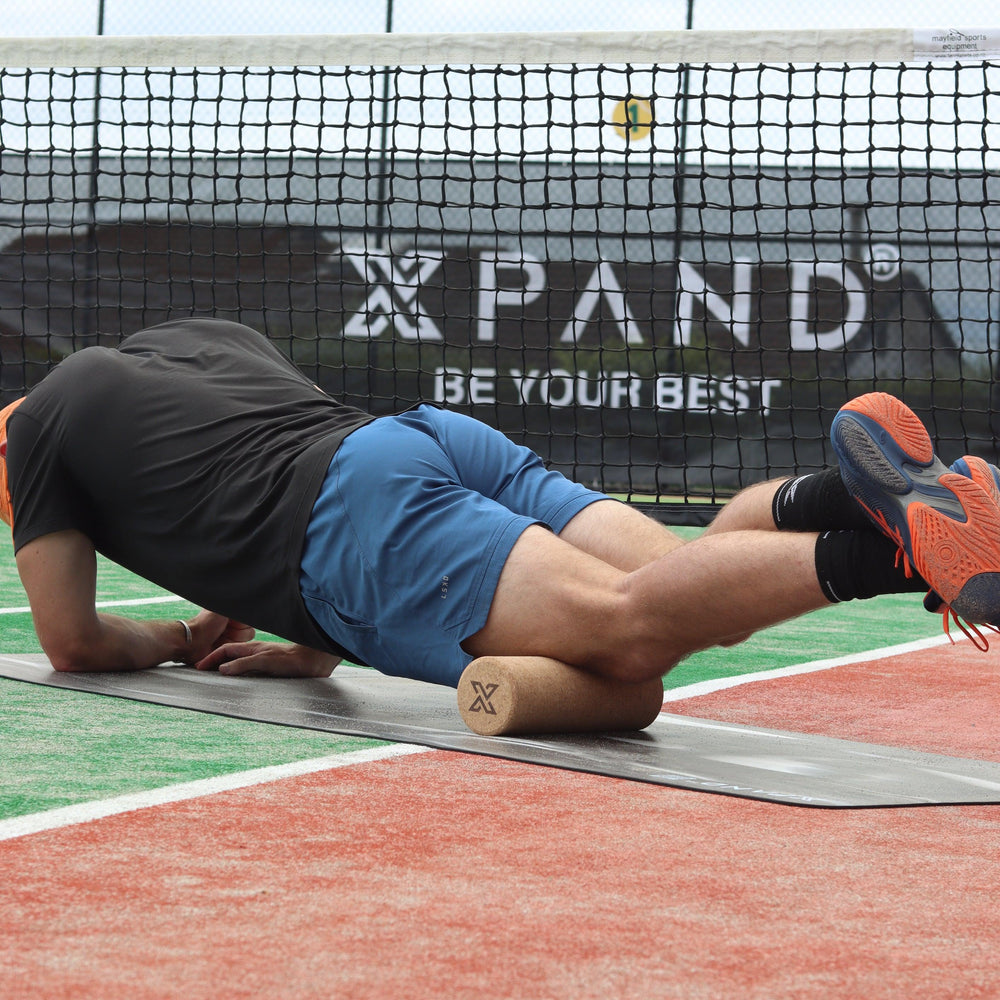
Soreness after a match is normal. But soreness that compounds across multiple days is a problem. The muscles that take the most punishment in tennis are the calves, quads, hip flexors, and the muscles around the shoulder and upper back.
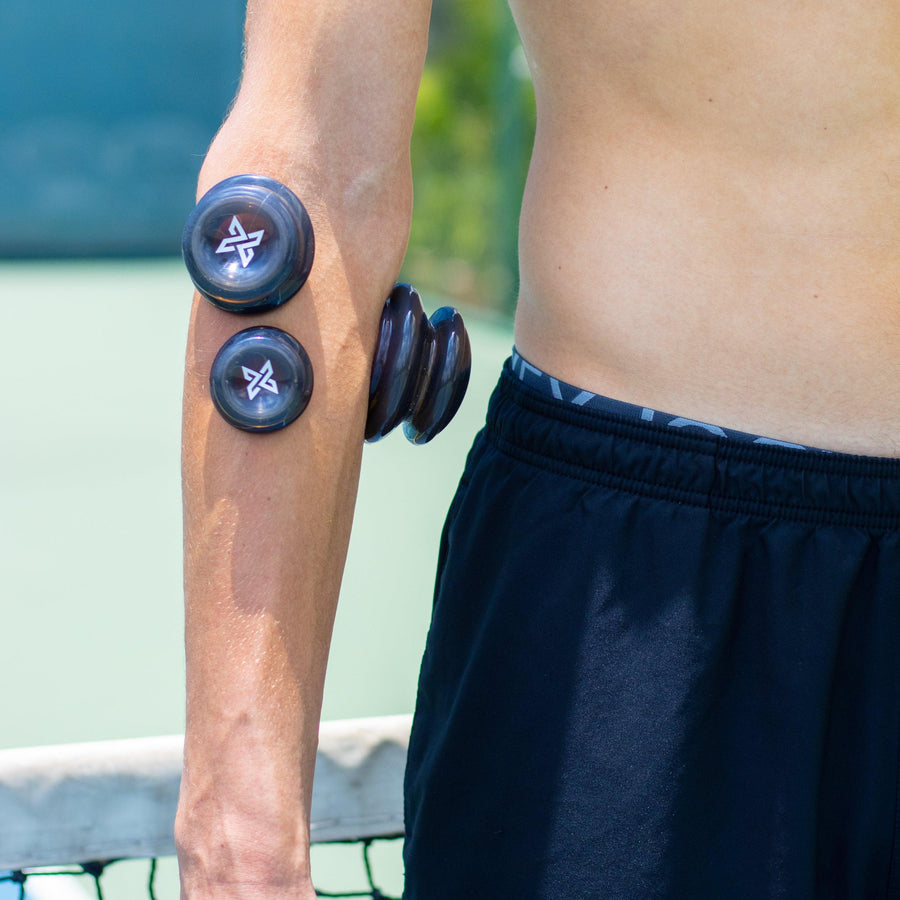
Foam rolling gets a lot of attention, but self-applied cupping has become one of the more effective tools for serious players. The Clutch Cups from XPAND allow you to apply targeted decompression therapy directly to overworked areas. Unlike compression tools that push down into the tissue, cupping lifts the fascia and increases localised blood flow. Players who use them between matches often report noticeably less stiffness the following morning. Applied to the calves, quads, or upper back for 10 to 15 minutes post-match, they're a simple addition to a recovery routine that genuinely pays off.
Pair soft tissue work with gentle static stretching, held for 60 to 90 seconds per position. Focus on the hip flexors, hamstrings, thoracic spine, and the posterior shoulder. Don't rush through it. Slow, intentional stretching done consistently does far more than aggressive stretching done occasionally.
Sleep Is Your Most Powerful Recovery Tool

No recovery strategy outperforms sleep. During deep sleep, your body releases growth hormone, repairs muscle tissue, and consolidates motor patterns. That footwork sequence you drilled last week, the serve adjustment you made in the second set, all of it is being reinforced while you rest.
For tournament players, this creates a real challenge. Late evening matches, travel, nerves before a big game. All of these interfere with sleep quality. A few practical approaches help.
Keep your room cool and dark. Avoid screens for at least 30 minutes before bed. If you've had a late match and your nervous system is still running hot, try slow nasal breathing for five minutes lying down. Some players find that nasal breathing strips improve their sleep quality noticeably, particularly if they tend to breathe through their mouth at night.
Even if you can't get a full eight hours between matches, protect whatever sleep you do get. A short 20-minute nap the following afternoon can also restore alertness and reduce the perception of fatigue going into an evening match.
How You Warm Up the Next Day Changes Everything
Many players show up to their next match, hit a few balls, and expect their body to perform. It won't. After a heavy match, your muscles wake up stiff and your nervous system needs time to come back online. A proper pre-match warm-up is not optional. It is part of your recovery.
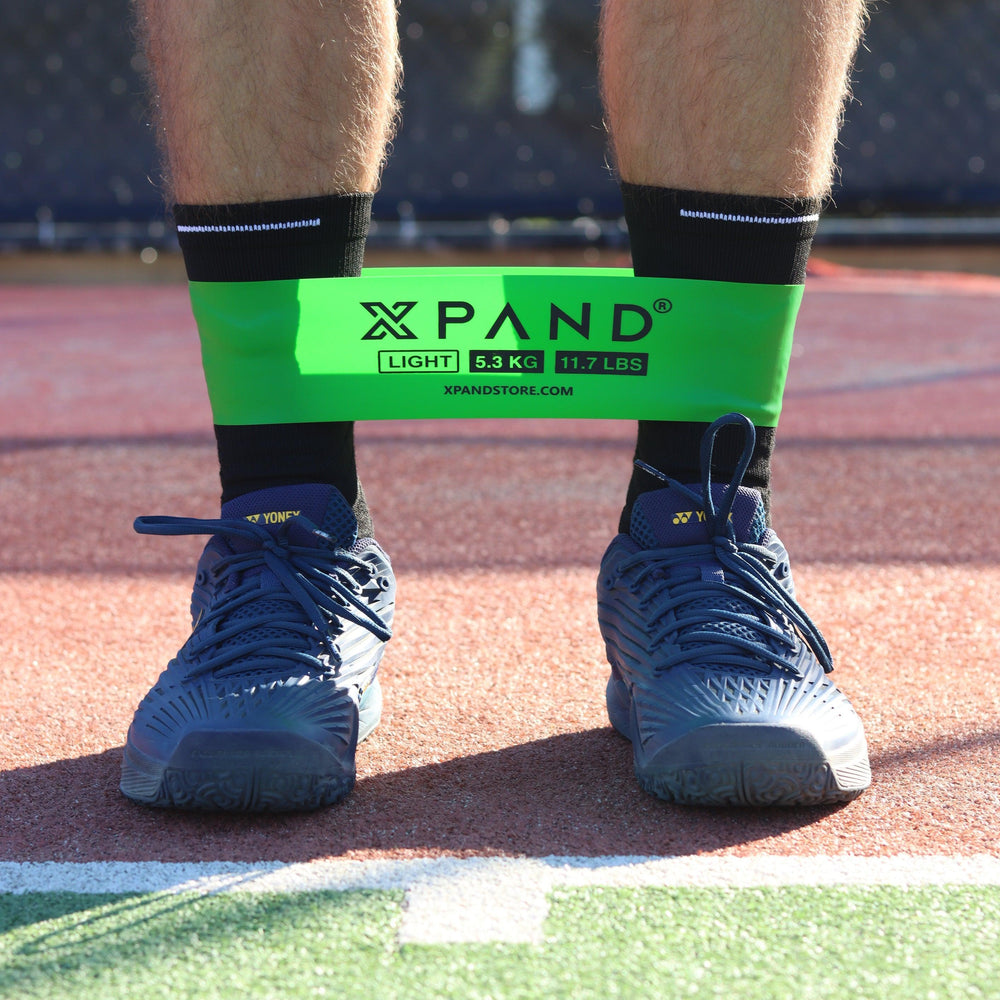
Start with five to ten minutes of light cardio. Then move into dynamic mobility work targeting the hips, thoracic spine, and ankles. Resistance band activation for the glutes and shoulders primes the muscles that do the most work on court. The goal is to raise your core temperature gradually and activate the right muscle groups before you ever touch a racket.
From there, progress into controlled groundstrokes, keeping intensity low for the first ten minutes. Your body will tell you when it's ready to push harder. Listen to it.
Build Recovery Into Your Training, Not Just Your Tournaments
The players who recover fastest between matches are not lucky. They've built recovery habits into their everyday training. They sleep consistently. They manage their nutrition seriously. They have a post-session routine they run after every practice, not just big matches.
If you treat recovery as something you scramble to do only when you're already tired and sore, you'll always be playing catch-up. Make it part of your preparation, and it becomes one of the clearest competitive advantages available to any club-level or competitive player.
Start with one or two habits from this list. Dial in your post-match nutrition. Add soft tissue work to your evenings. Build a proper warm-up routine. Small, consistent changes in how you treat your body between matches will show up clearly in how you perform when it counts.