


Pickleball Fitness for Seniors: How to Build the Strength and Stability You Need to Keep Playing

Pickleball Fitness for Seniors: How to Build the Strength and Stability You Need to Keep Playing
You love the game. The social side, the competition, the satisfaction of a perfectly placed dink. But somewhere between sessions, you notice it. The legs feel heavier. Recovery takes longer. A few quick lateral movements leave you unsteady. And quietly, a concern starts to form: how long can I keep this up?
This is where most senior pickleball players get stuck. They keep playing, which is great, but they do very little to support the physical demands the sport is placing on their body. The result is that fitness slowly falls behind the game, and the game starts to suffer for it.
The good news is that targeted pickleball fitness for seniors does not need to be complicated or time-consuming. It needs to be smart. Here is where to focus.
Why Strength and Stability Matter More As You Age

Pickleball looks deceptively gentle. Short court. Underarm serve. Plenty of rallies at the kitchen line. But watch a competitive senior match closely and you will see repeated explosive lateral shuffles, rapid direction changes, and low athletic positions held for extended periods. These are real physical demands.
After fifty, the body loses muscle mass faster if left untrained. Balance becomes less automatic. Reaction time slows slightly. Joint stability, particularly in the knees and hips, depends more and more on the surrounding muscles staying strong. These are not reasons to slow down. They are reasons to train with more intention.
The players who stay competitive well into their sixties and seventies are not just naturally gifted. They train to support their game. Strength work, balance training and movement practice off the court translate directly into what you feel on it.
The Movement Patterns That Make the Biggest Difference
Not all exercise is equally useful for pickleball. Running a few miles a week improves cardiovascular base, but it does very little for lateral quickness or the ability to hold a low, stable stance through a long kitchen battle. The movements that carry over most directly are the ones that mirror what pickleball actually asks of you.
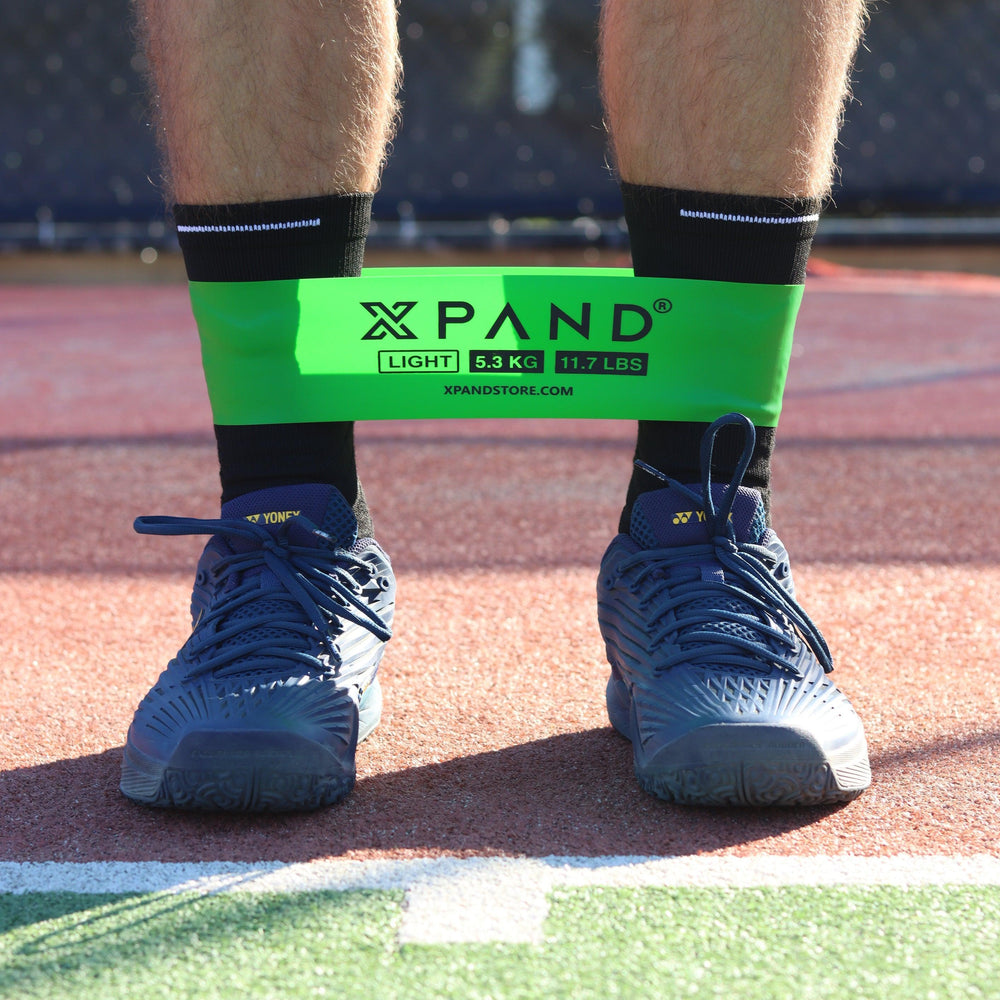
Think in terms of three categories. First, hip and glute strength. The power behind almost every shot, and the stability behind every split-step, comes from the hips and posterior chain. Exercises like glute bridges, lateral band walks and single-leg deadlifts build this foundation. Second, lower body stability. The ability to stay balanced while moving, stopping and changing direction. Single-leg balance work, step-ups and controlled squats are all valuable here. Third, rotational strength. Pickleball is a rotational sport. The torso drives the paddle. Training that rotation with purpose produces cleaner, more powerful groundstrokes and drives.
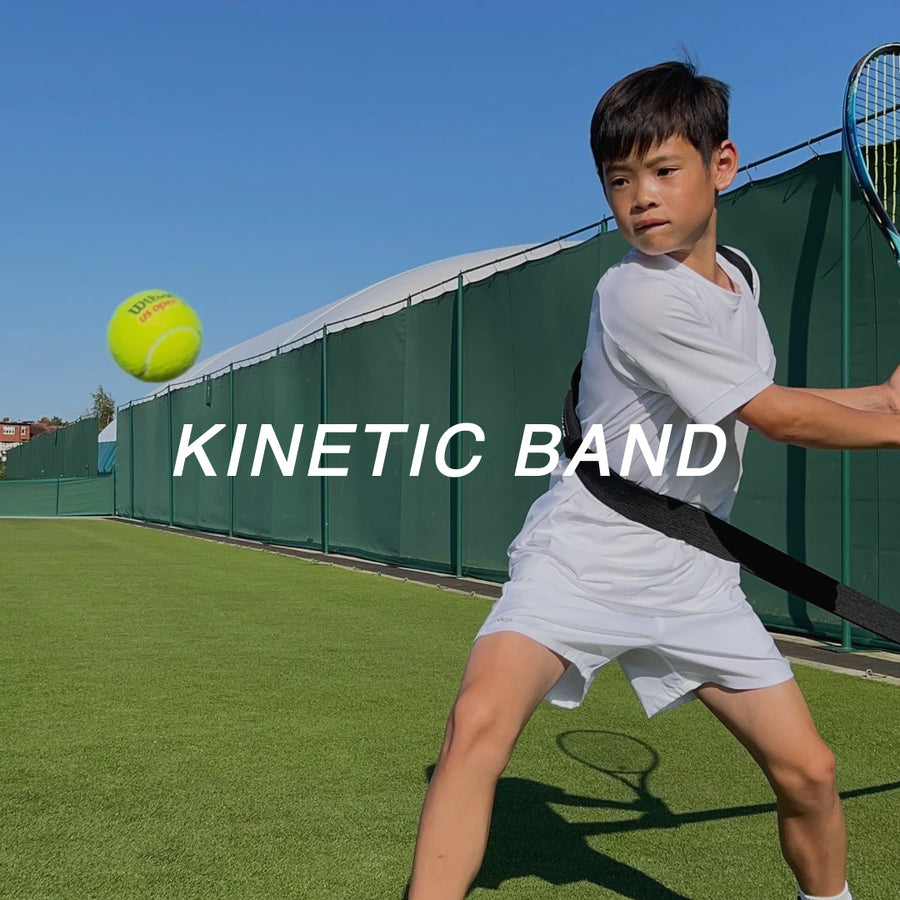
For rotational power specifically, the Kinetic Band is a tool worth knowing about. It trains the torsional force that drives hip rotation through resistance, helping players unlock more effortless power without relying on arm strength alone. For senior players especially, where joint-friendly power generation matters, training the kinetic chain rather than muscling the paddle through is a meaningful shift.
Balance and Footwork: The Underrated Pillars of Senior Pickleball

Falls are the number one injury concern for older athletes. In pickleball, where the court demands constant small adjustments and reactive movement, balance is not optional. It is a performance quality and a safety quality at the same time.
Balance deteriorates with age partly because of muscle loss, but also because the neuromuscular system gets less practice at making rapid, automatic corrections. The solution is to train balance under conditions that challenge it. Not just standing on one leg, but moving, reacting and recovering in ways that mimic court situations.
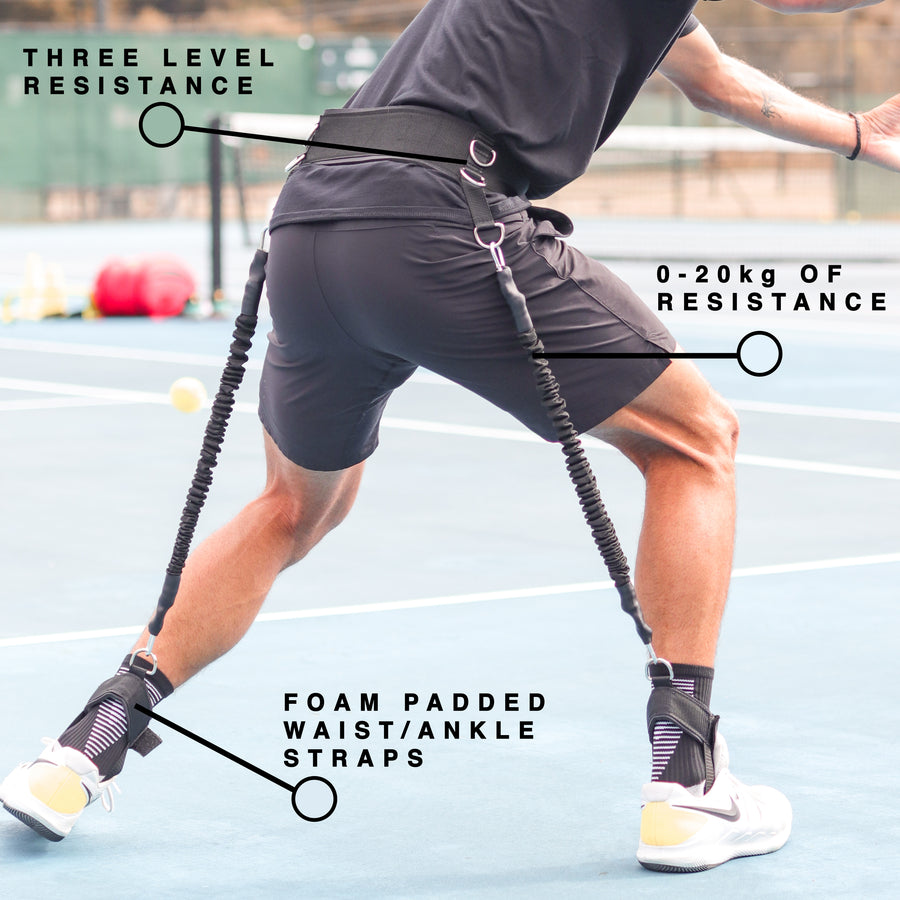
Footwork drills done with intention are some of the most valuable fitness work a senior pickleball player can do. Lateral shuffles, cross-steps, the split-step before a return. These patterns, trained regularly, keep the neuromuscular system sharp. They also reinforce the low athletic stance that protects your joints and puts you in position to play better shots.
Building that low, stable base takes both habit and physical capacity. Training tools that provide sensory feedback, reminding your body to stay grounded and balanced during movement, can accelerate that process considerably.
Building a Routine That Works Around Your Life
Consistency beats intensity every time. For senior players, two to three focused sessions per week off the court is enough to produce real results. Each session does not need to be long. Thirty to forty minutes of purposeful work covering hip strength, balance and rotational power will compound over weeks and months into noticeable changes on the court.
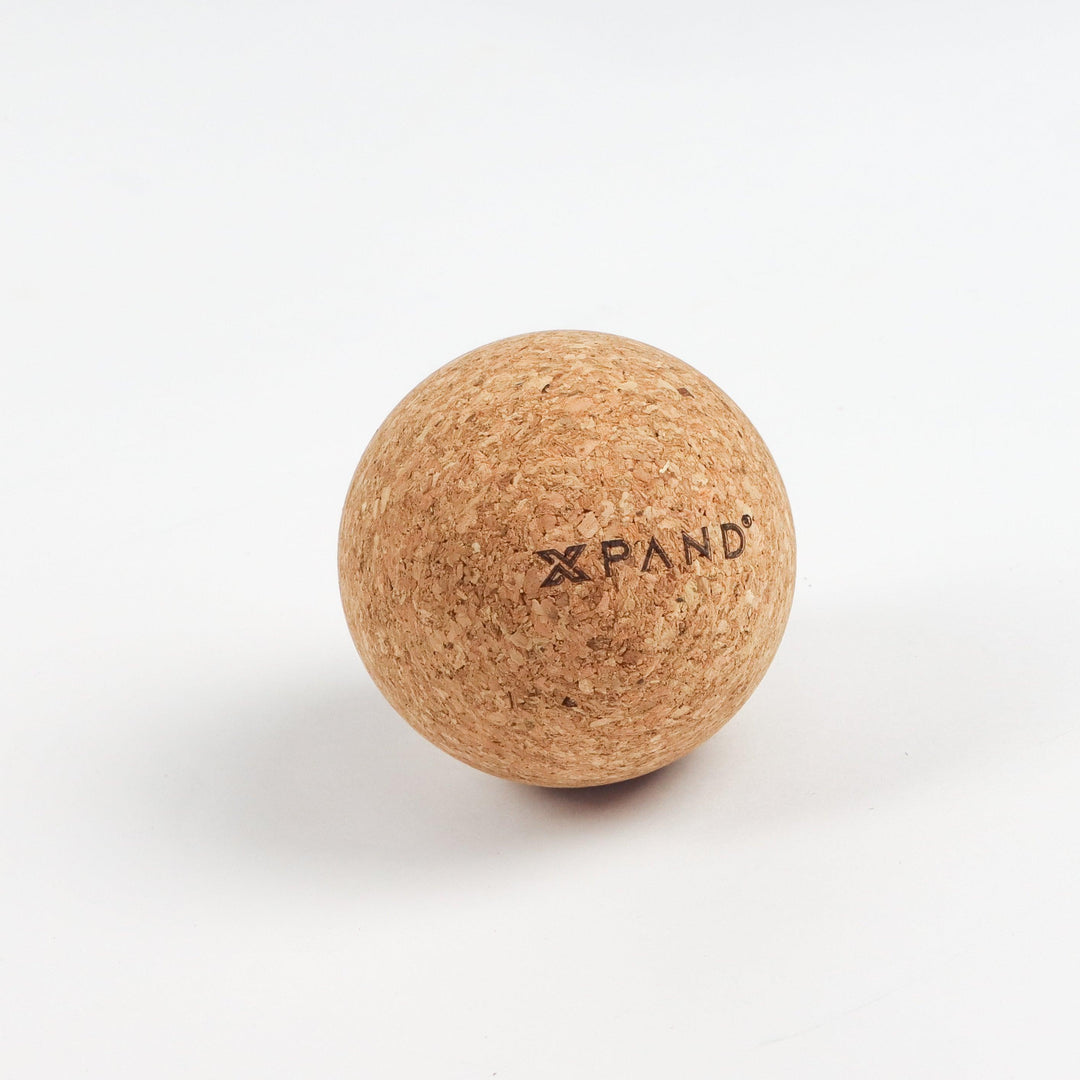
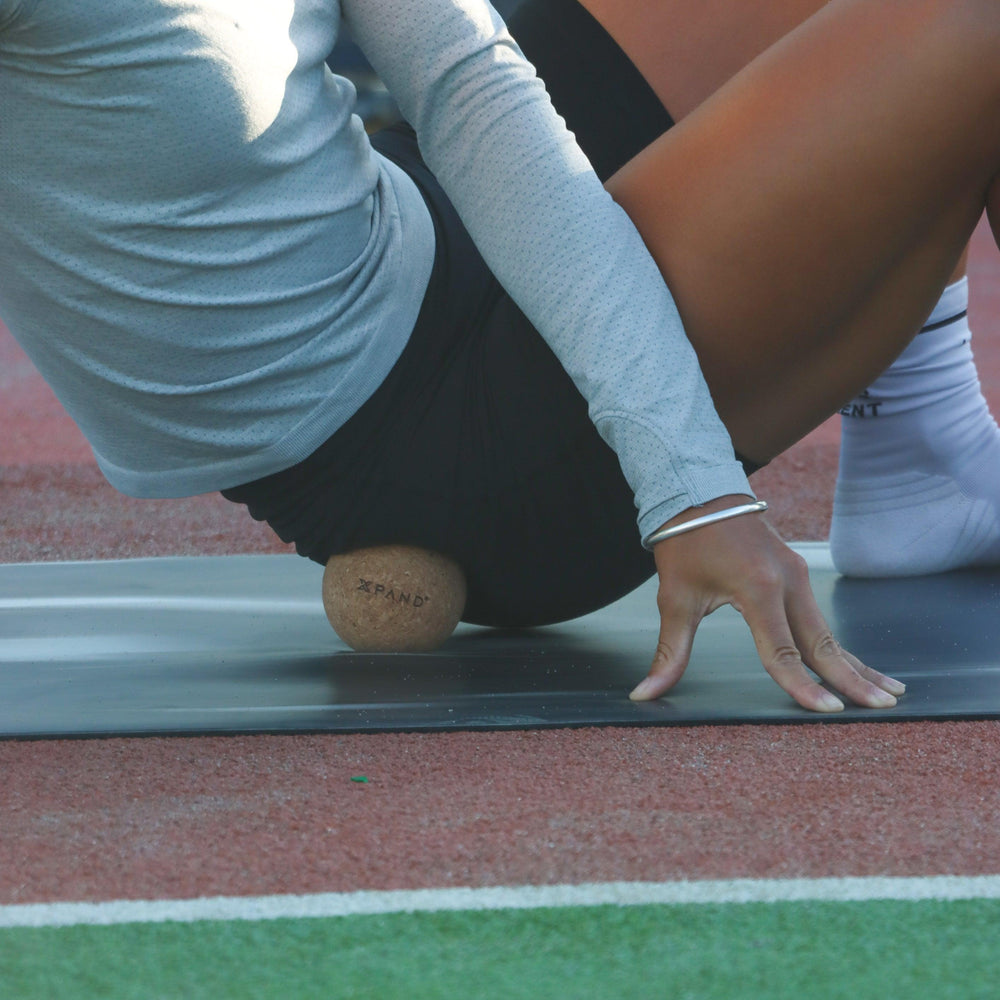
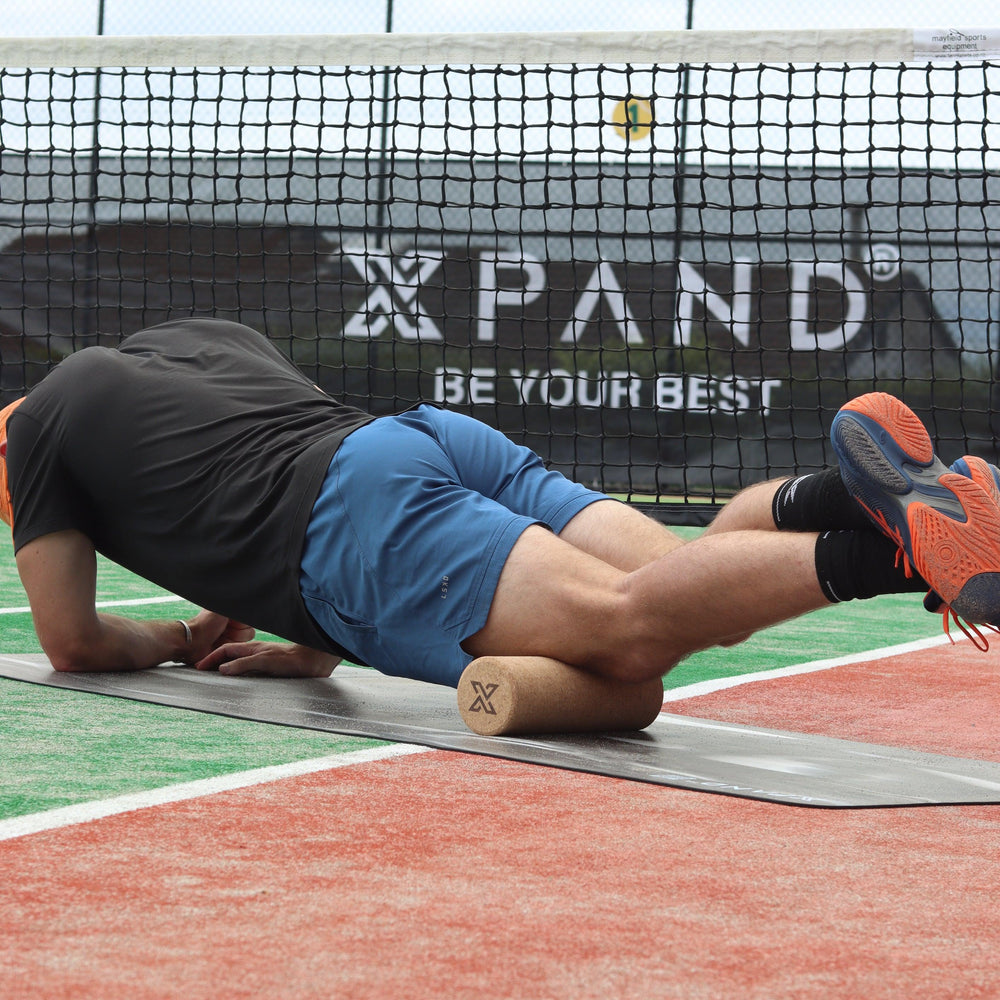
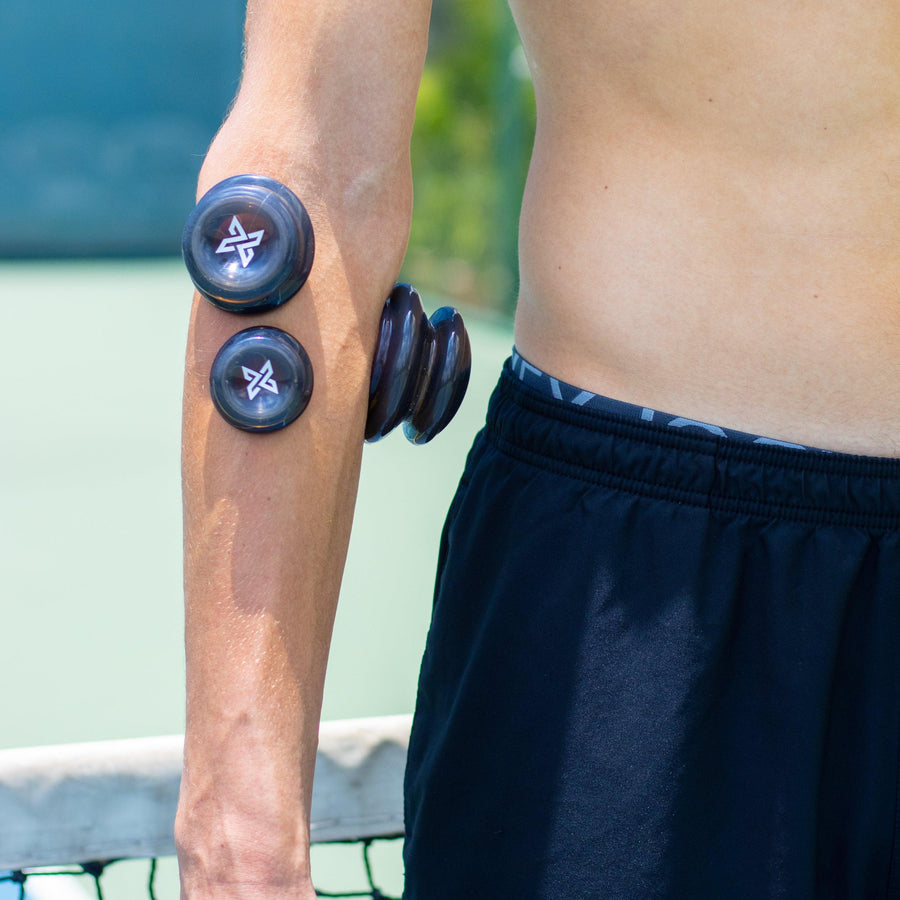
Keep recovery in mind too. Sleep, nutrition and soft tissue care all contribute to how well your training adapts and how fresh you feel for match play. If muscle soreness is becoming a barrier, simple recovery tools used consistently can make a real difference to how quickly you bounce back between sessions.
The players who play their best pickleball at sixty-five and seventy are not doing anything extraordinary. They are doing the right things consistently. Strength, stability, rotation and recovery, built into a routine that fits their life.
Start With What Matters Most
Pickleball fitness for seniors is not about training like a twenty-five-year-old. It is about being strong enough, stable enough and mobile enough to play the game you love at the level you want, for as long as possible.
Pick one area to improve first. If your movement feels sluggish, start with hip strength and footwork. If your shots feel weak or inconsistent, train your rotation. If balance is a concern, make single-leg stability work a regular part of your week. Small, focused improvements in the right places add up quickly.
The court rewards preparation. Give your body the work it needs off the court, and it will give you back better movement, better shots and more confidence when it counts.